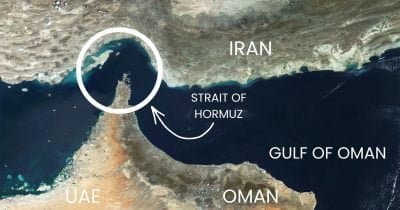
Recent developments in the Strait of Hormuz, a vital artery for global oil shipments, have raised significant concerns regarding regional stability and the potential impact on oil prices. In the last 24 hours, only six vessels have successfully navigated this critical waterway, a stark contrast to the pre-crisis average of about 153 ships daily. This drastic reduction in maritime traffic comes amid heightened tensions following the collapse of a ceasefire agreement involving the US, Israel, and Iran.
The selective blockade enforced by Iran's Islamic Revolutionary Guard Corps (IRGC) highlights the escalating geopolitical standoff. More than 150 ships are reportedly stranded in the Gulf, indicating that Iran is leveraging its control over this strategic chokepoint to exert pressure on its adversaries. The implications are profound: a sustained blockade could not only disrupt global oil supply chains but also lead to increased market volatility.
Market Reactions and Predictions
Market analysts are closely watching the situation, particularly the pricing dynamics surrounding ship transit through the strait. Recent data suggests that current pricing is supportive of fewer than 150 vessels crossing, with a notable 77% probability indicating continued restrictions. This trend signals that the geopolitical situation remains fragile, which could have ripple effects on global oil prices and investor sentiment.
Future Considerations
As the situation unfolds, it's critical for observers to monitor any diplomatic efforts aimed at re-establishing a ceasefire and reopening the Strait of Hormuz. Any announcements or military actions from key players such as the US, Iran, or Israel could significantly alter the landscape. Continued low transit numbers would reinforce the notion that the blockade is effective, while an increase in traffic might suggest a de-escalation of tensions.
This material is informational and does not constitute financial advice.