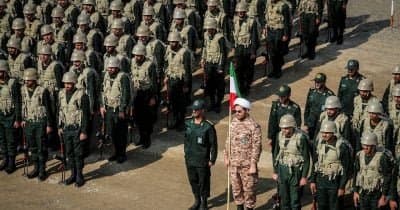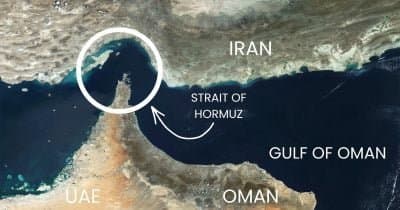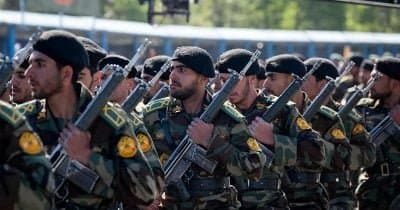
In a significant escalation of tensions, Iran has issued a stark warning to its neighbors, stating that any territory used to facilitate US military actions may be targeted for retaliation. This statement from the Iranian foreign ministry condemning US attacks as violations of the UN Charter highlights the evolving geopolitical landscape in the region.
The backdrop to this warning involves an ongoing conflict that has escalated since February 2026, primarily involving the United States, Israel, and Iran. Iran's readiness to strike neighboring countries such as Iraq, Kuwait, and Saudi Arabia underscores the potential for a broader conflict, as neighboring states could find themselves inadvertently drawn into hostilities by supporting US military efforts.
Implications for Regional Stability
The implications of Iran's warning are profound. As the region grapples with rising tensions, the stability of Gulf states now hangs in the balance. The possibility of Iranian military action could influence the actions of these states, which must navigate their relations with both Iran and the US carefully. Any misstep could lead to significant escalations, further destabilizing an already volatile environment.
Market analysts are currently adjusting their assessments in light of these developments. There appears to be a decrease in the likelihood of International Atomic Energy Agency (IAEA) visits to Iranian nuclear sites, a reflection of the increasingly precarious security situation. Observers note that the market is pricing in heightened expectations of Iranian strikes, which align closely with Iran's recent threats.
Looking Ahead: The Role of Diplomatic Efforts
As the situation continues to unfold, monitoring the responses of Gulf states to Iran's warning will be critical. Their actions could be pivotal in either escalating or de-escalating the situation. The possibility of IAEA inspections will likely hinge on the broader security environment and the success or failure of diplomatic efforts aimed at reducing tensions.
Any military movements by the US or Iran in the region will also significantly impact ongoing market assessments. Investors should remain vigilant as shifts in the geopolitical landscape could lead to volatility in energy markets and broader economic implications.
This material is for informational purposes only and should not be considered financial advice.