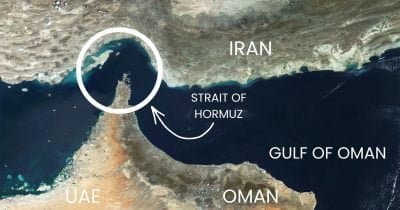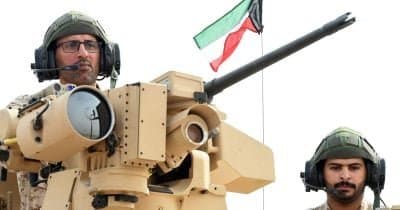
Kuwait's recent announcement regarding the interception of 'hostile aerial targets' serves as a crucial indicator of escalating military tensions in the Gulf region. Amid the backdrop of the 2026 Iran war, which has intensified with retaliatory actions by Iranian forces, this development raises significant concerns regarding regional stability and security.
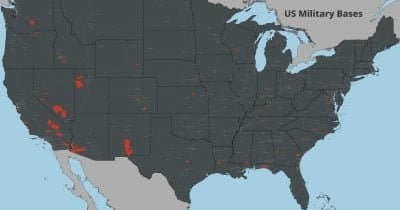
The conflict was ignited by U.S. and Israeli airstrikes on Iranian positions, prompting Iran to respond with missile and drone attacks aimed at Gulf states, particularly those hosting U.S. military bases. As tensions mount, Kuwait's proactive defense measures signal that it is keenly aware of the threats posed by Iran and is prepared to act in defense of its airspace.
The Context of Rising Military Actions
This military readiness not only underscores Kuwait's commitment to protecting its sovereignty but also aligns with broader geopolitical dynamics. Iran has consistently targeted U.S. interests in the region, and its claims of engaging U.S. sites raise the stakes for Gulf states. As such, the potential for further military actions remains high, making the region a focal point for observers and investors alike.
- Kuwait's interception highlights the precarious security situation in the Gulf.
- Market responses are likely reflecting a higher anticipation of Iranian military activity.
- Ongoing conflicts could attract international attention, potentially influencing diplomatic efforts from neighboring countries.
Potential Market Reactions
As events unfold, observers must remain vigilant for any Iranian military responses to perceived violations of ceasefires. The situation places pressure on the U.S. and its allies to evaluate their defensive posture in the region, raising the likelihood of escalation. Furthermore, any diplomatic maneuvers by regional players, such as Qatar or Oman, could alter market perceptions regarding future military engagements.
In light of these tensions, it is evident that the markets will closely monitor developments, particularly regarding the potential for increased Iranian hostility. A shift in the geopolitical climate could have wide-ranging implications for investors and regional stakeholders.
This article is informational and not financial advice.