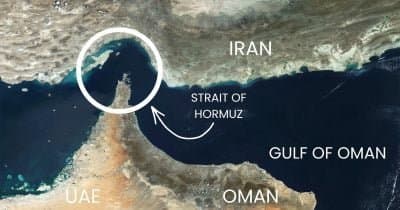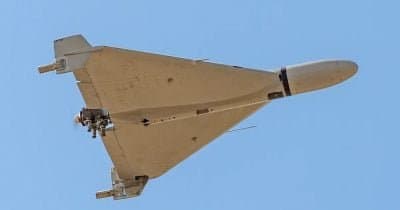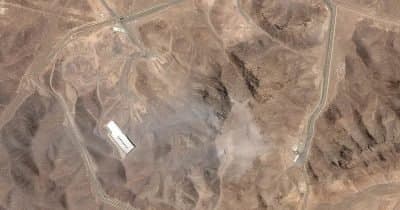
The ongoing tensions between the United States and Iran have reached a critical point, drawing considerable scrutiny from both geopolitical analysts and market participants. Recent military actions, including the U.S. targeting of 140 Iranian military installations and Iran's responses against U.S. bases, have raised concerns about the long-term viability of a nuclear deal. This precarious situation not only risks diplomatic resolutions but may have far-reaching implications for global markets.
Current Context of US-Iran Relations
Relations between the two nations have deteriorated significantly, particularly after the collapse of a temporary ceasefire and the re-imposition of stringent U.S. oil sanctions on Iran. These developments are critical as they indicate a shift in dynamics that could further hinder the possibility of a comprehensive nuclear agreement and reconstruction funding for Iran. Observers note that the odds for reaching an agreement by the end of 2026 have diminished, reflecting the increasing hostility highlighted by recent military encounters.
The market's reaction to these geopolitical tensions has been notable. As fears grow regarding the stability of the region and the potential for military escalation, there has been a marked decline in the odds of a favorable outcome for the Iran Reconstruction Funding deal. Investors are particularly wary of the implications of a prolonged conflict, which could restrict access to crucial oil supplies and exacerbate already volatile market conditions.
Potential Market Consequences
As the situation develops, market participants will be watching key indicators that could signal shifts in the political landscape. The involvement of prominent figures such as U.S. President Donald Trump and Iranian Foreign Minister Javad Zarif may play significant roles in the future of diplomacy in the region. Any announcements regarding renewed negotiations would likely serve to boost investor confidence, while heightened military actions could further depress market sentiment.
Additionally, the broader geopolitical climate, including other regional conflicts and economic sanctions, will continue to influence the likelihood of successful negotiations. Investors are likely to remain on high alert for changes in U.S. or Iranian policies that may signal either an escalation of tensions or a breakthrough in dialogue.
This article is for informational purposes only and should not be considered financial advice.