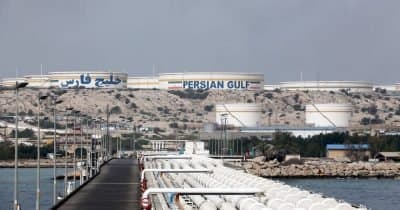
The Indian rupee is currently experiencing pressure as crude oil prices escalate, driven by rising tensions between the US and Iran. Recent military actions, including airstrikes by the US and Israel on Iranian targets, have significantly impacted oil prices, with West Texas Intermediate (WTI) crude climbing over 3.7% to $74.07 per barrel and Brent crude increasing by 4% to $79.06.
This surge in oil prices is reflected in the USD/INR exchange rate, which now stands around 95.33 to 95.50, indicating a weakening of the Indian rupee. Market participants are reacting to the potential for supply disruptions through the vital Strait of Hormuz, an area critical for global oil transport.
As geopolitical risks mount, investors are gravitating towards safe-haven assets, such as gold and US Treasuries. This trend underscores concerns over rising import bills and inflationary pressures in India, as the country heavily relies on oil imports.
Market Reactions and Future Implications
The current market dynamics suggest a cautious outlook as stakeholders closely monitor developments in the US-Iran situation. Key factors include the status of the Strait of Hormuz and any announcements from OPEC+ regarding potential oil production cuts. Additionally, updates from the US White House or the Iranian government could have considerable implications for global oil supply and consequently, the Indian economy.
Investors and market analysts should remain vigilant as the geopolitical landscape evolves.
This material is informational and not financial advice.