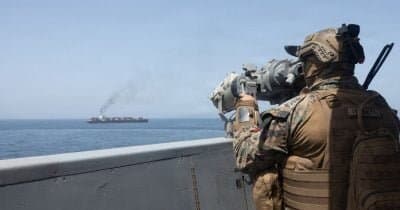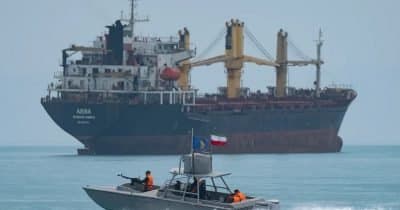
The recent actions taken by the Iranian Revolutionary Guard Corps (IRGC) against commercial shipping in the Strait of Hormuz have escalated an already tense situation in the ongoing 2026 Iran war. This incident highlights the growing volatility in a region that is crucial for global trade, especially considering that a significant portion of the world's oil passes through this narrow passage. The IRGC's aggressive posture not only poses immediate threats to shipping operations but also raises concerns among investors and market participants about the broader implications for international relations and oil prices.
Reports indicate that the IRGC fired at commercial vessels, which signals a major intensification of hostilities. This action comes on the heels of the United States conducting military strikes aimed at undermining Iran’s military capabilities. However, Iran's recent declaration of closing the Strait of Hormuz despite international advisories further complicates the situation, as it effectively puts commercial shipping at significant risk. Investors and market analysts are closely observing these developments, as they may lead to disruptions in shipping, causing ripple effects across global markets.
Market sentiments reflect this escalating tension, with a notable increase in the probability of conflict resulting from these incidents. On July 12, 2026, the likelihood of successful targeting by the IRGC surged to 92.3%, indicating that traders view the recent firing as a pivotal event. Similarly, scenarios from July 11 also experienced a rise, underscoring that recent hostilities are perceived as catalysts for potential disruptions in the region.
As the situation evolves, both military and economic stakeholders are advised to monitor announcements from the IRGC and responses from U.S. forces. A potential shift toward diplomatic negotiations or a ceasefire could significantly alter market expectations and pricing across related sectors. Furthermore, developments pertaining to airspace closures may reflect Iran's military posture and potentially influence regional stability and global oil prices, similar to what was discussed in previous analyses.
This material is informational and not financial advice.