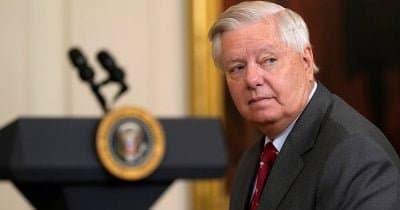
The recent release of an AI-generated video by a state-linked Iranian media outlet, depicting the death of U.S. Senator Lindsey Graham, is a stark illustration of the escalating information warfare between the United States and Iran. This controversial video, crafted in a Lego-style animation, not only invokes a reaction through its shocking content but also serves a strategic purpose in the ongoing geopolitical tensions following the U.S. and Israeli strikes on Iranian nuclear facilities in June 2026.
The video carries a cryptic message signified by the letters 'KT', which some analysts interpret as a veiled threat towards former President Donald Trump. This nuance suggests a deliberate attempt by Iran to destabilize U.S. political morale during a time of heightened conflict, further framing the narrative of Western political figures as adversaries in the backdrop of a broader propaganda campaign linked to the 2026 Iran War.
Market reactions to this video signal a growing skepticism regarding a potential U.S.-Iran deal. The implications are significant: as tensions rise, so too does the likelihood of a diplomatic resolution diminish, leading to market pricing that reflects this uncertainty. Investors are likely to become increasingly wary of developments involving Iran, particularly with the ongoing military actions and the potential fallout from new propaganda like this video.
Moreover, the timing of this release is noteworthy, aligning with Iran's strategy of reinforcing its narrative against Western powers. The inclusion of Monica Witt, a defector to Iran who once served as a counterintelligence officer, adds another layer to the unfolding diplomatic saga. It underscores the lengths to which Iran may go to undermine U.S. credibility and influence, especially as the conflict deepens.
As observers monitor this situation, any official U.S. government response or statements from Iranian representatives will be critical in shaping the current diplomatic climate. Indeed, the ripple effects from this incident could lead to further escalations in military and political maneuvers, which may affect not only regional stability but also global market dynamics. Investors are advised to stay alert to any shifts in rhetoric or actions from both sides, as these could significantly impact perceptions of a viable diplomatic resolution.
This article is informational and should not be considered financial advice.