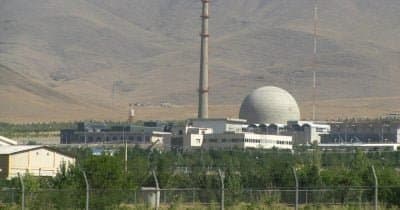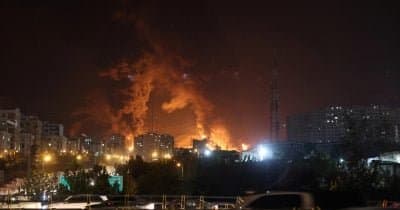
The situation in Iran escalated significantly when the U.S. executed strikes on Shahid Soleimani International Airport in Ahvaz. This incident follows a series of retaliatory strikes against Iranian targets, marking a worrying progression in U.S.-Iran relations. The strategic importance of the Strait of Hormuz adds another layer of urgency to the matter, as military actions in this area can have global implications.
As confirmed by Iranian media, the strike has heightened fears regarding potential full closures of Iranian airspace, a development that analysts now see as increasingly probable before the end of July. This prospect is alarming for investors and market participants, as it could disrupt regional air travel and lead to further volatility in oil prices.
The implications of this conflict are profound. The likelihood of Iran refraining from attacking vessels in the Strait of Hormuz appears to have significantly diminished, raising concerns about the safety of shipping lanes crucial for global oil transport. With the country’s airspace potentially becoming inaccessible, the international community is left to ponder the consequences for both trade and diplomatic efforts.
Market watchers should keep an eye on communications from Iran’s Civil Aviation Organization regarding airspace restrictions. Any announcements in line with the recent military tensions could foreshadow broader conflicts or, conversely, renewed diplomatic engagements aimed at de-escalation. The ongoing dynamics demand attention, especially as any new ceasefire terms or agreements could shift market expectations dramatically.
This material is informational and does not constitute financial advice.