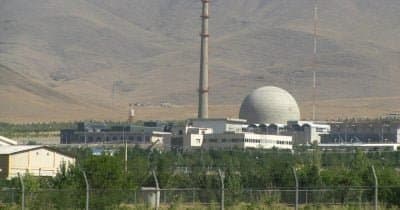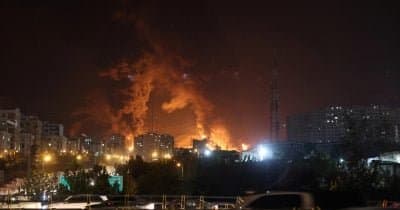
The current surge in profits for major oil companies during the second quarter of 2026 highlights a critical intersection of geopolitical tensions and energy economics. The heightened prices of crude oil and gas can be traced back to the deteriorating relations among the United States, Israel, and Iran. Specifically, Iran's recent actions, including the closure of the Strait of Hormuz, have disrupted global oil supply, creating a ripple effect in energy markets.
Context of Rising Oil Prices
This geopolitical strife is significant for a multitude of reasons. First, the Strait of Hormuz is a strategic chokepoint through which a considerable percentage of the world's oil supply passes. Any disruption in this region typically leads to immediate price increases. Moreover, the tensions have sparked fears among investors and consumers alike, contributing to an urgent demand for oil alternatives and alternative energy sources.
As we observe the market, analysts are cautioning that the recent profit reports from oil giants like Exxon Mobil and Chevron are not merely reflections of effective corporate strategies but are largely influenced by external factors. The anticipated quarterly reports will likely underline the ongoing volatility in the energy sector, caused primarily by these geopolitical factors.
Global Reactions and Government Discontent
The implications of these developments are profound, especially in light of the rising discontent among governments, particularly within the Trump administration and various European political circles. The substantial gains of oil companies juxtaposed with escalating consumer costs could lead to heightened regulatory scrutiny and calls for policy reforms aimed at mitigating the burden on taxpayers.
This situation presents a paradox wherein governments must balance their responsibilities to alleviate consumer pain at the pump while grappling with the economic benefits that high oil prices may bring to the national economy. Such dynamics could lead to a recalibration of energy policies or even strategic decisions regarding oil reserves and production levels as authorities respond to the pressures of public sentiment.
Potential Market Consequences and Future Trends
Investors should remain vigilant as the situation evolves. Current market indicators suggest that oil prices may continue to rise, potentially reaching new all-time highs later this year. Should geopolitical tensions persist or worsen, the implications for both regional stability and global markets could be serious.
- Watch for new statements from OPEC and the International Energy Agency regarding supply dynamics.
- Monitor developments between the US and Iran for potential shifts in policy or military action.
- Keep an eye on consumer reactions to fuel prices, as this could trigger political actions.
In conclusion, the intricate relationship between geopolitics and energy markets underscores the importance of understanding these factors as they could dictate market movements and investment strategies in the near future.
This material is informational and should not be considered financial advice.