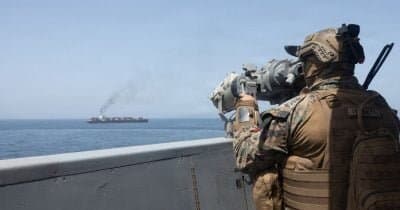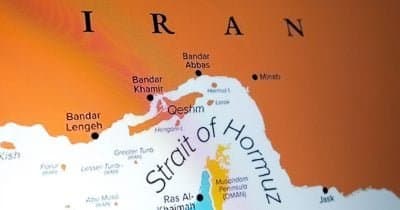
The recent surge in Brent crude oil prices by about 3%, reaching approximately $96.60 per barrel, signals a stark shift in market sentiment amidst escalating tensions between the United States and Iran. The catalyst for this price jump was a series of military exchanges between the two nations, which have raised alarms regarding the stability of the Strait of Hormuz a critical maritime route for global oil shipments.
This development underscores a significant departure from the recent diplomatic optimism that had characterized interactions between the two countries. The market's immediate reaction to the news reflects a renewed focus on geopolitical risk factors, particularly the potential for supply disruptions in oil markets globally. Such disruptions could mirror the volatility experienced during earlier conflicts this year, reinforcing fears that geopolitical tensions can swiftly translate into economic ramifications.
Understanding the Market Dynamics
Market participants are acutely aware of the implications of a threatened closure of the Strait of Hormuz. Given that approximately 20% of the world's oil passes through this narrow passage, any disruption in operations could lead to further price escalations. As a result, investors are now pricing in the likelihood of these supply chain disruptions into their trading strategies. This not only affects crude oil prices but also has broader implications for the global economy, which relies heavily on stable energy supplies.
Future Considerations
Looking ahead, it is crucial for observers to keep a close watch on announcements from key political figures, such as the U.S. President and the Iranian Supreme Leader. Their decisions could pivot the trajectory of military or diplomatic actions in the coming weeks. Additionally, any statements from OPEC+ regarding potential production adjustments could provide further insights into how the market may react to ongoing tensions. In the face of potential supply constraints, oil price benchmarks will likely remain volatile, reflecting the uncertainty in the geopolitical landscape.
This article is for informational purposes only and should not be considered financial advice.