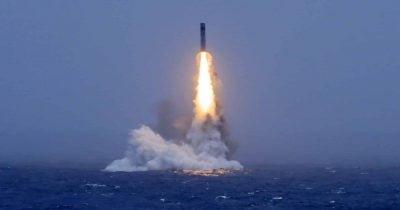
On July 6, 2026, China conducted a significant submarine-launched ballistic missile (SLBM) test in the Pacific, a move that not only showcases China's advancing military capabilities but also marks a pivotal shift in its defense strategy. This development is a crucial indicator of how China is redefining its approach to warfare, transitioning from traditional platform-based military strategies toward more integrated, network-centric operations.
Shifts in Military Strategy
This missile test, part of China’s annual military exercises, illustrates the country's strategic commitment to establishing a fully operational nuclear triad. The SLBM’s trajectory, which notably overflew the Philippines before landing within the South Pacific Nuclear Free Zone, has drawn sharp criticism from regional allies such as Australia, New Zealand, and Japan. This action not only raises concerns about immediate security threats but also reflects broader strategic ambitions that could alter the balance of power in the region.
Implications for Regional Tensions
The implications of this SLBM test extend beyond mere military capabilities. The reaction from neighboring countries and the United States will be pivotal in shaping future diplomatic and military interactions. Market perceptions have already begun to reflect a heightened risk of military conflict involving China, especially regarding its relations with Japan. Such tensions could influence global markets, particularly in sectors sensitive to geopolitical risks, such as energy and defense contracts.
Furthermore, the military exercises that may follow this test will be crucial to watch. Increased military activity could lead to an arms race in the region, compelling nations like Japan to bolster their own defenses in response. This dynamic could further complicate an already tense geopolitical landscape, making it essential for stakeholders to monitor regional military developments closely.
Future Considerations
As the situation evolves, it will be essential to observe how international actors respond, especially through diplomatic channels or potential military alliances. Statements from Japan and the United States could provide critical insights into the shifting strategic environment. Additionally, developments in the Iranian tensions could also affect broader discussions about military readiness and defense strategies among nations in the Pacific.
This article is for informational purposes only and should not be considered financial advice.