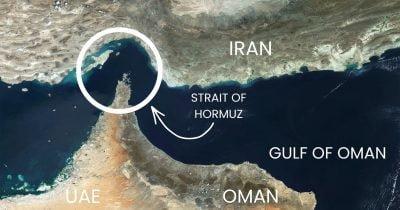
The recent participation of Qatar in the Iran-Oman negotiations in Muscat represents not only a significant diplomatic maneuver but also highlights the complexities of regional politics amidst the ongoing Strait of Hormuz crisis. This waterway has been a focal point for global energy supplies, and with Iran's blockade since February 2026, the stakes are incredibly high.
Qatar, led by Prime Minister Sheikh Mohammed bin Abdulrahman Al Thani, is stepping into the role of mediator in these crucial discussions. The official confirmation from Tehran’s Foreign Ministry regarding Qatar's involvement underscores the country's increasing influence and diplomatic reach within the Gulf region. This aligns with a growing trend of nations in the region seeking cooperative solutions to shared security challenges.
Implications for U.S.-Iran Diplomatic Relations
The inclusion of Qatar in these negotiations suggest potential shifts in the dynamics of U.S.-Iran peace talks. As both nations are navigating a delicate balance of power, Qatar’s mediation efforts might encourage more open dialogue and could pave the way for discussions that have been stalled for years. Market reactions signal optimism regarding these developments, with participants increasingly believing in the viability of a diplomatic meeting between the U.S. and Iran by the end of July 2026.
This optimism could be further fueled by any collaborative statements from involved parties, such as joint communications from Qatar and Pakistan. Conversely, the pivotal role of the U.S., which still maintains a blockade on Iranian shipping and opposes proposed transit fees, indicates that its stance will be crucial in determining the success of these negotiations. As tensions remain high, particularly with the specter of military actions from Israel looming over the discussions, the prospect of cooperation will meet with significant opposition.
Strategic Considerations Going Forward
As observers monitor the situation closely, they will be looking for official statements from both the White House and Iran’s Foreign Ministry that may signal new rounds of U.S.-Iran peace talks. The upcoming weeks will be critical as they may dictate whether diplomatic efforts can indeed translate into tangible agreements, particularly given the fragile atmosphere that continues to envelop the region.
While challenges remain, the involvement of Qatar in this dialogue could foster an environment for broader Gulf cooperation. If successful, it might not only stabilize the Strait of Hormuz but also reconfigure alliances and influence in the region for the foreseeable future.
This article is for informational purposes only and should not be interpreted as financial advice.