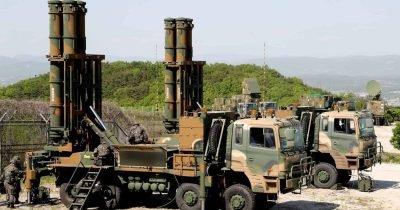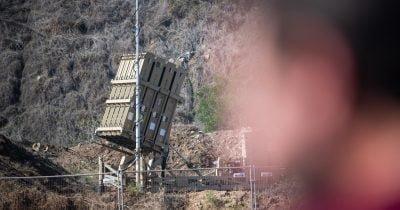
In light of recent conflicts, former Israeli National Security Advisor Yaakov Amidror has raised an urgent call for enhancements in Israel’s drone defense capabilities. His remarks come after an April 2025 incident where Israeli air defenses exhibited vulnerabilities against a significant barrage of drones and missiles, raising alarms about the country’s preparedness against aerial threats.
This sentiment is not merely a critique but a reflection of the escalating security concerns posed by adversaries such as Iran and Hezbollah, who have increasingly leveraged drone technology. Amidror’s emphasis on innovation underlines the imperative for Israel to evolve its defensive strategies to address these modern threats more effectively.
Understanding the Broader Geopolitical Context
The current geopolitical landscape is fraught with tension, particularly regarding ongoing hostilities with Hamas and Hezbollah. Amidror's call for improved aerial defenses comes at a crucial juncture, where the escalation in drone warfare could pose a significant risk to Israeli airspace. Notably, these developments are mirrored by a growing sentiment in the market indicating a higher probability of airspace closure due to perceived threats, potentially impacting both civilian travel and economic stability in the region.
Market behavior signals a sense of urgency, as stakeholders begin to reassess risks associated with airspace safety. Given that Amidror’s warnings coincide with rising concerns about air space closures, there exists a tangible link between military preparedness and market confidence.
Anticipating Responses and Consequences
As attention shifts towards Israel’s strategic response, the actions of key officials, including Defense Minister Yoav Gallant and IDF Chief of Staff Herzi Halevi, will be pivotal. Markets will closely monitor any changes in public statements or shifts in policy that may arise from these discussions. Should Israel choose to ramp up military operations or unveil new defense protocols, the ripple effects on market sentiment could be profound.
Moreover, any escalation in responses involving Iran or Hezbollah could influence not just Israel's security policy but also global market dynamics, reflecting the intertwined nature of military action and international economic stability. In an environment where defense capabilities are increasingly scrutinized, Israel's ability to adapt and innovate could determine its future security posture.
This analysis is informational and does not constitute financial advice.