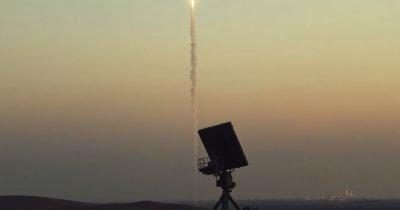
The recent military strikes by the Iranian Revolutionary Guard Corps (IRGC) on US-linked targets across five Middle Eastern countries have sent ripples through global financial markets, particularly impacting the crypto sector. This wave of aggression, occurring on July 8-9, encompassed military installations in Jordan, Kuwait, Bahrain, Qatar, and Oman, and signifies an escalation in geopolitical tensions that could have far-reaching implications for investors.
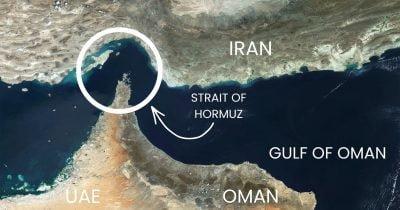
These strikes were aimed at a variety of targets, including fuel depots and military bases, which were retaliatory acts against prior US airstrikes that struck approximately 90 Iranian military sites. This back-and-forth sheds light on the fragile ceasefire established in June 2026 that has now been rendered obsolete due to escalating aggressions, particularly surrounding the strategically vital Strait of Hormuz.
The Strait serves as a critical conduit for about 20% of the world's oil, and any disruption here can exacerbate energy prices, subsequently affecting global inflation expectations and central bank policies. This interconnectedness is critical as price fluctuations in energy markets often lead to knee-jerk reactions in crypto trading.
Historical patterns have shown that during periods of rising geopolitical tensions, cryptocurrencies such as Bitcoin and Ethereum experience significant volatility. Previous conflicts have seen Bitcoin dip below $64,000 as traders repositioned and moved out of riskier assets. This suggests that domestic instability often forces investors to liquidate their crypto holdings, pursuing safer investments or traditional assets like gold and US Treasuries. Furthermore, substantial outflows from Iranian crypto exchanges indicate that local market conditions heavily influence decision-making.
Additionally, during conflicts, there is often a notable increase in trading volumes of stablecoins like USDT and USDC among Gulf region exchanges. This trend points to a persistent desire among investors for dollar-denominated assets, particularly in environments where local banking infrastructures may be compromised. Such movements in the crypto markets demonstrate how intricate the relationship is between geopolitical tensions and financial assets.
As tensions continue to rise and new conflicts emerge, the potential for market upheaval remains significant. Investors should be cognizant of the broader implications of these military actions not just for the energy sector, but also for the cryptocurrency landscape, which tends to react sharply to global uncertainties.
This material is informational and should not be considered financial advice.