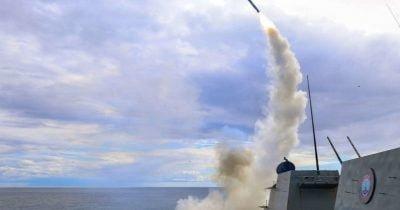
Amid escalating tensions in the 2026 Iran war, Iran has delivered a significant warning to the United States regarding unmet commitments. This conflict, ignited by Operation Epic Fury a military campaign jointly executed by the U.S. and Israel has seen a string of aggressive engagements, with Iranian missile strikes targeting U.S. facilities prompting retaliatory actions from the U.S. military.
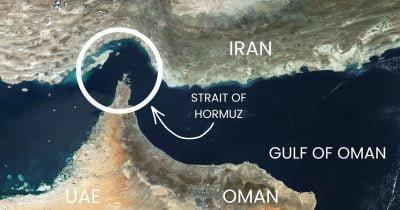
The warning issued by Iran emphasizes its strategic control over the Strait of Hormuz, a vital artery for global energy transportation. This chokepoint's significance cannot be overstated, as it handles a substantial portion of the world's oil supply. Iran's ability to disrupt shipping in this region serves as a critical lever in its negotiations and military strategy, particularly in the current geopolitical climate.
Potential Market Impact
The implications of Iran's assertive stance are profound for global energy markets and diplomatic relations. Recent developments indicate a sharp decline in the probability of a U.S.-Iran deal, particularly one that involves reconstruction funding. Market activity reflects this downturn: the likelihood of a deal has plummeted from 44% to 31.5% within a day, signaling investor apprehension.
- Iran’s warning aligns with heightened hostilities and the potential for escalating conflict.
- Monitoring military developments or new diplomatic engagements is crucial for understanding the situation.
- Strategic involvement from mediators might reshape negotiation avenues.
As the situation unfolds, key indicators to watch include new military actions by Israel or retaliatory measures from Iran, especially around the strategic Strait of Hormuz. Additionally, statements from U.S. or Iranian officials regarding diplomatic channels will be pivotal. Such developments could drastically reshape market perceptions and expectations concerning a potential diplomatic resolution.
This material is for informational purposes only and does not constitute financial advice.