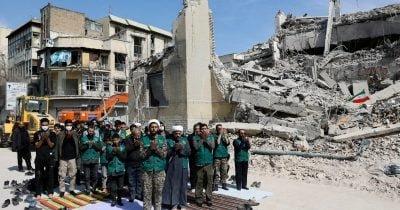
Recent strikes by Iran targeting Qatar and the UAE signal escalating tensions in the Gulf region, particularly in light of the U.S. Israeli Operation Epic Fury. This operation has intensified following the death of Iran's Supreme Leader Ali Khamenei and reflects a broader strategy by Iran to assert its influence amidst increasing diplomatic pressures.
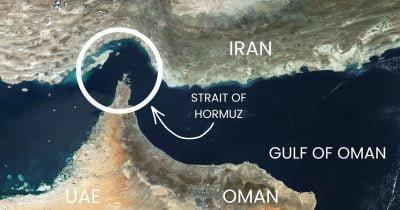
The Gulf Cooperation Council has called for de-escalation, highlighting the urgent need to stabilize the area, especially as missile and drone attacks continue to threaten critical energy infrastructure and the strategic Strait of Hormuz. The potential disruption of this vital maritime corridor poses risks not just to regional security, but also to global energy markets.
Market responses indicate a growing skepticism regarding the viability of the US-Iran deal anticipated for 2026, particularly concerning reconstruction funding for Iran. The recent military actions suggest a diminishing likelihood of productive peace talks before the July 31 deadline, complicating diplomatic efforts.
A key factor to observe will be the reactions from major stakeholders, including U.S. President Donald Trump and Iranian Foreign Minister Javad Zarif. Any shifts in diplomatic engagements could significantly alter market expectations regarding the potential for a peace agreement and the inclusion of much-needed funding for reconstruction in Iran.
As the situation evolves, the international community's response will be critical. The diplomatic landscape, influenced by military activities and communications, could either pave the way for renewed talks or exacerbate existing tensions, further complicating the geopolitical climate in the region. Investors should remain vigilant, as these developments carry the potential to impact market dynamics significantly.
This material is informational and does not constitute financial advice.