Donald Trump said negotiations with Iran would kick off Monday. Tehran's Foreign Ministry immediately contradicted him, claiming no delegations have been arranged. The gap between what Washington announced and what Tehran denies just shifted market odds on whether these talks happen at all.
Trump's statement suggested a concrete meeting was locked in. Iran's response was blunt, the country saying it's focused on maritime discussions with Oman instead. This isn't diplomatic theater where both sides pretend to negotiate before the cameras roll. One side is saying the meeting exists, the other is saying it doesn't.
What traders are pricing in
Prediction markets immediately reflected the confusion. Odds on a UAE venue for U.S.-Iran talks dropped as soon as Tehran's denial hit. Traders who'd been betting on a September diplomatic breakthrough are now hedging, pulling confidence out of the table. The market doesn't care about rhetoric, just the probability of actual events.
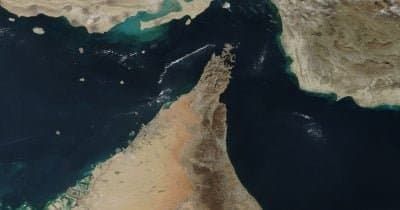
The Strait of Hormuz tensions and the broader Iran-Israel conflict keep the stakes high. If these talks do materialize, oil markets could shift. If they collapse before they start, geopolitical risk stays elevated. Right now, neither outcome has clear odds.
Why this matters now
Oman and Qatar have both been floated as potential mediators. Any official statement naming a venue from either country could flip market confidence back up. But until one of these countries confirms involvement, or until Trump and Tehran align on basic facts about whether a meeting exists, traders are sitting in the fog.
The next move belongs to whoever blinks first. A joint statement naming a location. A clarification from either government. An announcement from a mediator country. Until then, the market's uncertainty is the only certainty.
This article covers diplomatic developments and market implications. It's for informational purposes and doesn't constitute investment advice or political analysis.