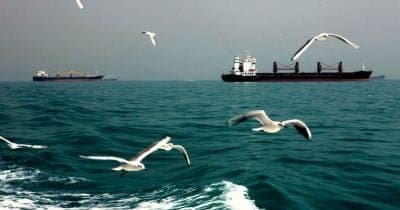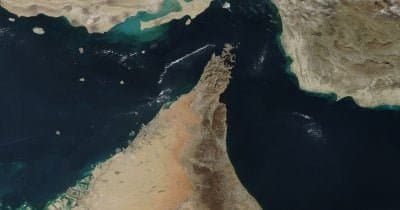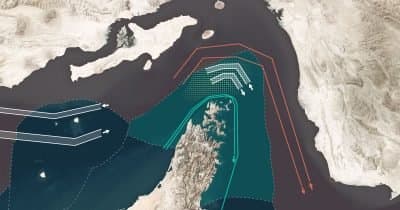
The Pentagon's Central Command confirmed the Strait of Hormuz remains passable for commercial vessels despite escalating friction with Iran. U.S. naval and air forces are actively patrolling the waterway, which funnels roughly a third of global seaborne oil through a narrow 21-mile corridor. Without stable transit here, energy prices spike worldwide.
According to CENTCOM, the southern route continues operating normally. The military presence signals Washington's determination to prevent any blockade, though the region stays tense. Traders are watching closely, and prediction markets currently price a 29.5% chance that traffic fully normalizes by September 30.
The bottleneck matters because any disruption ripples across markets instantly. When tensions flare, insurance premiums jump, shipping costs climb, and oil rallies. The current situation sits somewhere between routine patrol and active crisis. Both sides appear to be managing the standoff without full-blown conflict, but one miscalculation could shift that balance fast.
This material is informational only and should not be construed as financial or investment advice.