Whale Rock Capital Management took a brutal hit in July. The Boston-based hedge fund collapsed 21.7% in a single month, evaporating roughly half its year-to-date gains as artificial intelligence and semiconductor stocks cratered. The firm's flagship portfolio dropped from a 72.5% year-to-date return at the end of June to just 35.1% through July, according to Bloomberg sources.
Alex Sacerdote's $19 billion operation had ridden the chipmaker wave hard through the first half of 2026, banking on the AI infrastructure boom. But conditions flipped violently in July. The long-only fund fell 18.8% that month, though it still managed a 36.8% gain for the year. The damage cut across holdings Whale Rock had recently added to its portfolio. SanDisk, which the firm loaded up on in Q1, dropped 30% in the last month alone. Bloom Energy and CoreWeave joined the wreckage. All three got hammered in a broader memory sector selloff that hit chip and AI infrastructure stocks hardest.
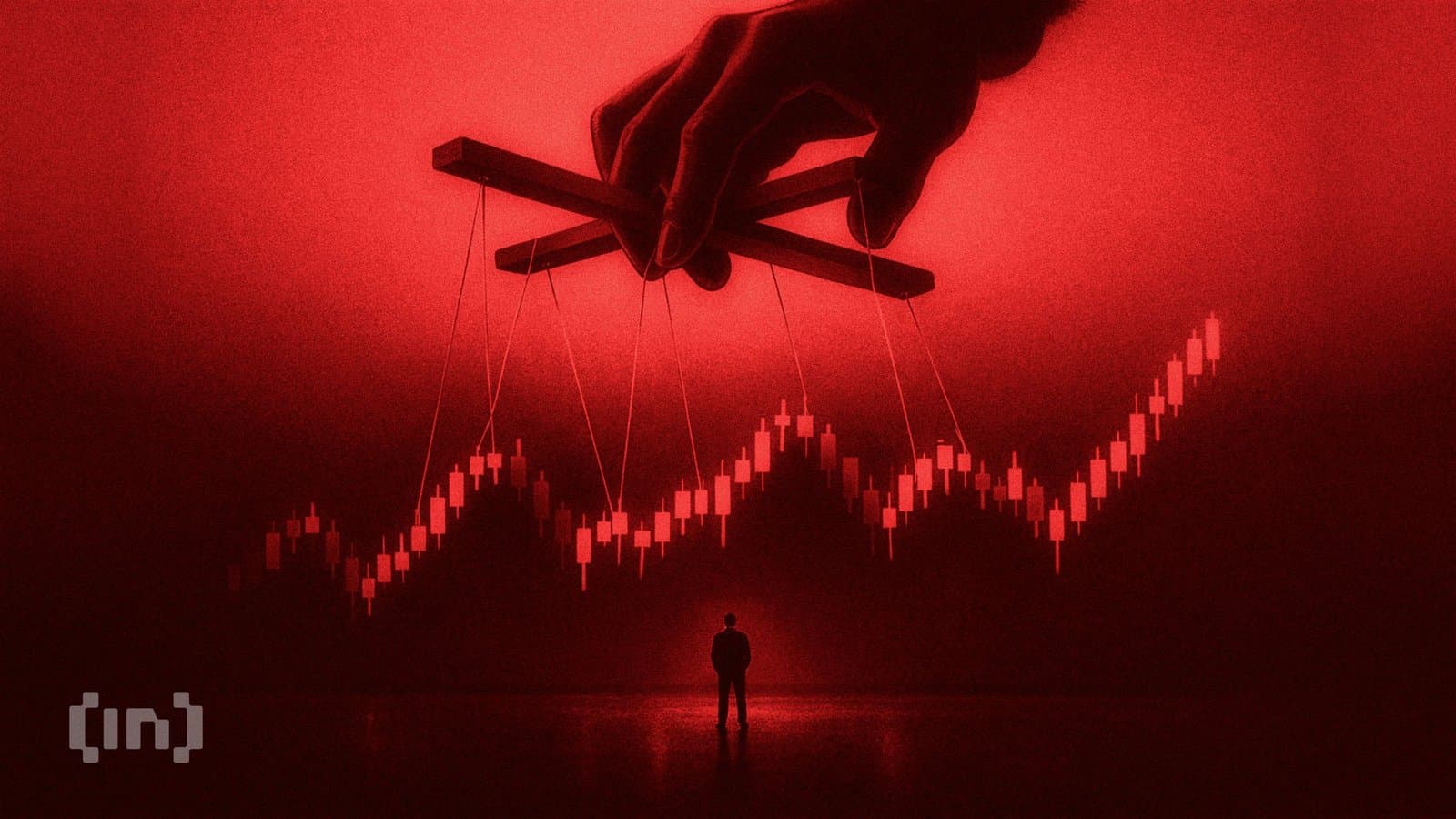
When the Market Becomes One Giant Bet
The pain extended beyond semiconductors. Mega-cap names like Google and Meta posted minor declines, but the real problem was investor sentiment turning on continued AI spending. Wall Street's confidence in the infrastructure thesis evaporated. Some strategists now compare the reversal to the dot-com era, though others see it as a buying opportunity rather than the beginning of a longer bust.
Whale Rock wasn't the only fund bleeding capital. Leopold Aschenbrenner's Situational Awareness fund posted a staggering 67% loss in July, the sharpest hedge fund drawdown of the month after a forced unwind of its stock book. The pattern echoes what's playing out across the entire AI trade this summer. Whether Whale Rock stabilizes or extends July's losses in August likely hinges on the current earnings season and how investors respond to new guidance on AI spending.
This material is for informational purposes only and should not be construed as financial advice or a recommendation to buy, sell, or hold any security.