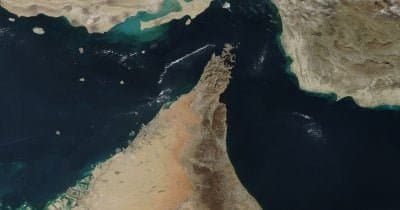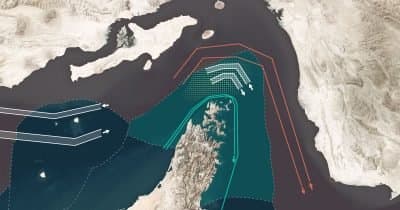
Europe is weighing direct funding for Strait of Hormuz reopening efforts, a move that could sideline American toll schemes entirely. The shift signals Brussels is willing to bankroll non-military solutions to keep oil and gas flowing through one of the world's most critical shipping channels.
Recent geopolitical flare-ups have choked off transit through Hormuz, sending ripples through energy markets. Rather than join a US-led intervention, European Union officials are exploring financial commitments that would bypass traditional military playbooks. The Telegraph reported the discussions center on safe-passage guarantees funded by European capitals.
What changes if Europe pays up
Betting markets have already shifted. Odds on America imposing Hormuz fees have tanked as traders price in a European funding scenario. The calculus is straightforward, if Europe covers reopening costs, Washington loses its use to extract transit tolls from global shippers. Tehran, meanwhile, is the wild card. Market pricing now favors Iran maintaining control and potentially imposing its own levies, a scenario that seemed less likely before Europe signaled deeper involvement.
The geopolitical chess match hinges on who funds what. If Brussels commits serious capital, it redraws the power map around one of the planet's economic chokepoints. Energy markets would stabilize faster. Oil price volatility tied to Hormuz fears could evaporate. But if Iran blocks the effort or demands its own cut, European money becomes use in a three-way standoff.
Eyes on the next move
Watch for official EU announcements on funding levels and timelines. Any formal agreement would reshape market expectations about fee scenarios. Statements from the US (especially the Trump camp) and Iran's Revolutionary Guard Corps will be equally key, they could either lock in the European approach or trigger a new round of tension.
The strait stays fluid. Diplomatic shifts could arrive any week, and they'll move markets faster than geopolitical analysis ever could.
This material is informational and does not constitute financial advice or recommendations on any assets or trading strategies.