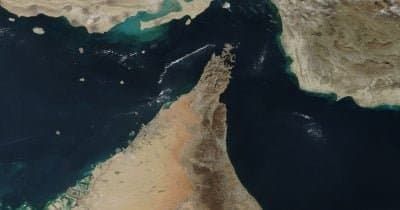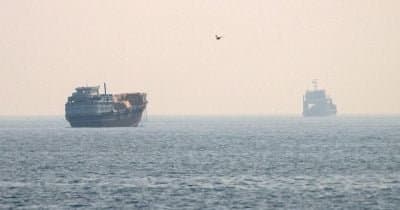
Iran is using Oman as a diplomatic middleman in talks over Strait of Hormuz shipping arrangements, according to the Institute for the Study of War. The maneuver lets Tehran advance maritime negotiations without appearing to capitulate directly to the United States, a critical distinction when ceasefire discussions remain fragile and every gesture carries political weight.
The Strait of Hormuz channels roughly 20% of global oil traffic. Disruptions here ripple through markets within hours. Both sides understand the stakes, which is precisely why framing matters. By positioning these talks as bilateral negotiations with Oman rather than direct US-Iran engagement, Iran preserves domestic political space and avoids signaling weakness to hardliners back home.
The Game of Appearances
Diplomacy at this level operates on layers. The substance of the deal might be identical whether Iran negotiates with Washington or through Muscat, but the optics determine whether Iranian leadership survives the political fallout. Trump has publicly announced Iran talks before, only to have Tehran deny anything was scheduled. This time, both capitals seem committed to letting Oman absorb the spotlight.
The bilateral framing also buys breathing room. If negotiations stall or collapse, neither side takes direct blame. Oman becomes the convenient third party whose mediation "wasn't quite ready." It's a classic move in high-stakes diplomacy, and it appears to be working.
Markets Are Already Pricing In Success
Prediction markets suggest investors believe this approach might actually stick. The probability of Strait of Hormuz traffic normalization by August 31 has climbed to 16.5%, a modest but meaningful jump. More telling, the odds of broader US-Iran talks happening by that same deadline sit at 55.5%, suggesting markets see the Oman channel as a genuine pathway to larger negotiations.
What happens next depends on whether both sides can keep the fiction intact. Any military escalation or public blame-shifting would crater these probabilities instantly. Conversely, a quiet agreement on shipping protocols by late August would signal that indirect diplomacy still works, even when direct channels are frozen.
This material is informational and does not constitute investment or financial advice. Geopolitical developments can influence commodity and financial markets unpredictably.