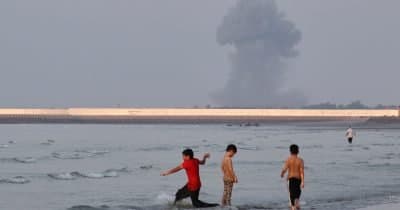
In a significant move, Ukrainian forces have launched attacks targeting seven Russian fuel tankers, five dry-cargo vessels, and various other ships in the Sea of Azov. This escalation reflects Ukraine's expanding maritime operations designed to disrupt Russian supply routes and military capabilities in the region. By strategically focusing on maritime targets, Ukraine aims to isolate Crimea, a key territorial stronghold occupied by Russia since 2014, and to challenge Russian logistical prowess.
This military development occurs within the larger context of ongoing tensions in the Russo-Ukrainian War, where both sides have engaged in various military operations. The attacks suggest a shift in Ukraine's strategy, emphasizing the importance of maritime logistics in the conflict. Analysts note that such operations could significantly impact the dynamics of the war, as they signify a proactive approach in countering Russian naval power.
Market analysts are keenly observing these developments, which appear to signal rising confidence in Ukraine's ability to recapture Crimea by the end of 2026. The implications for market sentiment are noteworthy, as investors begin to factor in the potential geographical shifts in control that could ensue from these military actions. Moreover, any change in vessel traffic through the Kerch Strait and the Don-Azov Canal could serve as crucial indicators of Ukraine's ongoing efforts to undermine Russian supply chains.
As tensions escalate, the international community and military observers will monitor the situation closely. The key indicators to watch include any further Ukrainian strikes in the Sea of Azov, changes in Russian naval responses, and the impact these operations will have on overall war dynamics, including shifts in military strategy. The outcome of these maneuvers may not only define the Russo-Ukrainian War's future trajectory but also reshape the geopolitical landscape in Eastern Europe.
This material is informational and does not constitute financial advice.