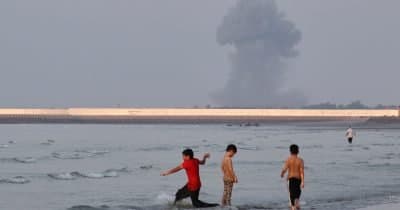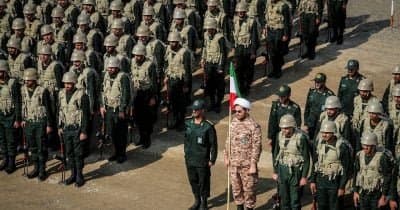
The recent designation of Iran's Islamic Revolutionary Guard Corps (IRGC) as a terrorist organization by the UK marks a significant escalation in geopolitical tensions and aligns Britain with a coalition that includes the United States, Israel, and various EU nations. This joint stance reflects a coordinated global effort to apply sustained pressure on Iran amidst a backdrop of increasing military actions and political changes within the country, particularly following the death of Supreme Leader Ayatollah Khamenei.
Market analysts are interpreting this move as a signal of potential instability within Iran, particularly as it relates to the future of its leadership. The competitive positioning of President Masoud Pezeshkian and the ripple effects on domestic opposition factions may be affected by this intensified international scrutiny. As noted, prediction markets have shown rising uncertainty regarding the Iranian leadership landscape, which could lead to rapid developments in the coming months.
This new classification of the IRGC could embolden factions within Iran that oppose the existing regime, altering the balance of power internally. The IRGC has historically maintained a strong grip on military and political power, and its designation may serve to galvanize dissident groups that see this international recognition as an opportunity to challenge the ruling authority.
Global observers will likely be closely monitoring the IRGC's subsequent actions and rhetoric, as well as the domestic response to this designation. Key figures like Mojtaba Khamenei and Reza Pahlavi may play crucial roles in shaping the narrative and the political dynamics within Iran. Additionally, any further international diplomatic initiatives or sanctions related to Iran's activities could significantly affect the predictions surrounding a leadership change in the nation.
This analysis serves informational purposes only and is not a financial recommendation.