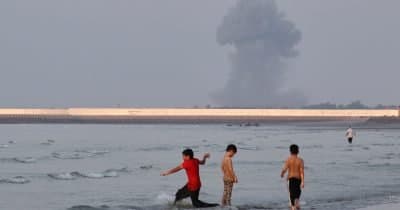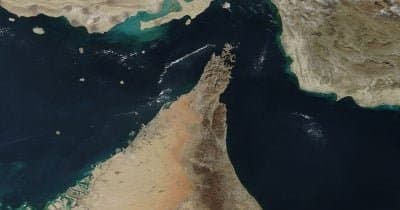
The recent military actions taken by U.S. Central Command against Iranian military assets underline a critical juncture in the geopolitical landscape of the Strait of Hormuz. This strategic waterway is pivotal not only for regional stability but also for global trade, as it serves as a conduit for a significant portion of the world's oil supply. With Iran's persistent threats towards commercial shipping, the U.S. strikes aim to deter any further aggression and restore confidence in the security of these maritime routes.
Analyzing the Military Strike's Implications
The U.S. operation, which involved fighter jets, naval vessels, and notably, one-way attack sea drones, signifies a robust response to Iran's recent breaches of a fragile ceasefire by targeting commercial tankers. Such military actions are instrumental in degrading Iran’s military capabilities, particularly their missile and drone systems, which pose a direct threat to shipping lanes. This escalation raises pressing questions about the efficacy of U.S. military strategy in the region and its long-term implications for Iranian military behavior.
Market Reactions: A Reflection of Sentiment
The immediate market response reflects a nuanced understanding of these developments. Following the U.S. strikes, there was a marked decrease in market odds regarding Iran's potential to disrupt shipping, dropping to 8% probability from 17%. This shift indicates a collective sentiment that the U.S. military actions have substantially diminished Iran's immediate threat capabilities. However, as probabilities for subsequent dates, such as July 13, increased dramatically to 53%, it suggests that investors are bracing for further retaliatory actions from Iran. Such market dynamics underscore the complexity of geopolitical risk in pricing and might prompt strategic reevaluations among investors.
What Comes Next: Observers on Alert
Looking ahead, it is crucial for investors and stakeholders to closely monitor announcements from both Iranian and U.S. officials. Statements regarding intentions for further military operations or naval engagements could alter the current market landscape. Moreover, any updates relating to negotiations or potential ceasefire talks could significantly influence perceptions of security in the Strait of Hormuz. The interconnectedness of geopolitical events and market reactions highlights the need for vigilance in these turbulent times.
This material is informative and not a financial recommendation.