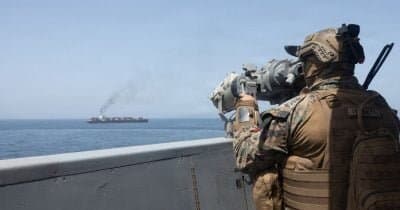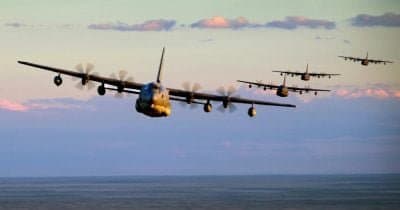
The absence of reported civilian casualties following recent US airstrikes in Iran's Hormozgan province offers a complex yet revealing lens through which to view the ongoing US-Iran conflict. These strikes, executed in the wake of a collapsing ceasefire, targeted Iranian military assets to mitigate disruptions in commercial shipping, particularly around the strategically vital Strait of Hormuz. This escalation in military action is indicative of a broader geopolitical struggle that not only involves military might but also significantly impacts market dynamics.
Despite the military exchanges intensifying, the report of no civilian casualties is critical. It could shift perceptions regarding the Iranian regime's stability and the potential for its imminent collapse. Analysts note a slight decrease in the market's apprehension about the Iranian regime's downfall, a sentiment reflected in pricing trends. The likelihood of regime change occurring before 2027 appears to have diminished, presenting a more nuanced view of the current situation.
Implications for Regional Stability
The strategic strikes serve a dual purpose: they aim to dismantle Iranian military capabilities while simultaneously sending a message about US resolve in the region. The absence of civilian casualties could lead to a perception that the US is attempting to minimize collateral damage, thereby striving for a more 'surgical' approach to military engagement. This stance may bolster international support for US actions, but it is essential to remain cautious, as any shift in military strategy from Iran could provoke further escalation.
Market participants should monitor both military developments and shifts in rhetoric from key players in the region. For instance, recent tensions between the US and Iran could have significant repercussions for global oil markets, particularly if military engagements disrupt oil shipping routes or raise fears of broader conflict.
Future Considerations
As the conflict progresses, investors and analysts alike must remain vigilant regarding the evolving geopolitical landscape. Changes in Iran's military posture or unexpected responses from US allies may lead to volatility in market perceptions and economic forecasts concerning the region. Observers should particularly focus on indicators that might suggest shifts in stability or provoke shifts in policy from major international actors.
This article serves informational purposes only and is not financial advice.