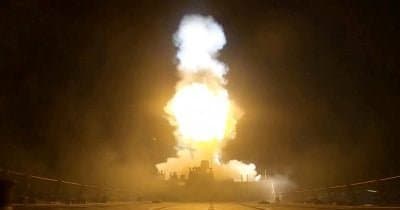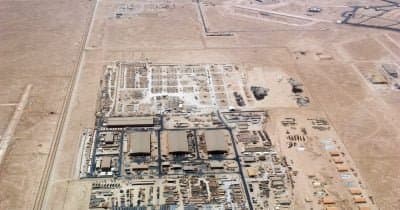
Recent news from the Gulf has revealed that Iran has conducted strikes on both the U.S. 5th Fleet Headquarters in Bahrain and Al-Udeid Airbase in Qatar. These actions are part of a broader conflict referred to as the 2026 Iran War, which ignited earlier this year following a U.S. military operation in conjunction with Israel against Iranian interests. This latest round of strikes underscores a clear strategy of retaliation from Iran, signifying a dramatic uptick in regional volatility.
The situation is particularly concerning given that both locations have previously been targets in the ongoing conflict, indicating a sustained threat to U.S. military facilities in the region. The consistent targeting of these strategic sites raises questions about the effectiveness of U.S. deterrent posturing and hints at Iran's resolved commitment to strike back against perceived aggressions from the West. As reports of these incidents circulate, market analysts are increasingly anticipating further military actions, reflected in rising prices and volatility in trade.
Market participants should keep a close watch on responses from the U.S. and its allies in the Gulf. The geopolitical landscape may shift significantly depending on the nature of any retaliatory measures or changes in diplomatic posture. Potential escalations could also influence the market's pricing strategies. For instance, should the U.S. decide to escalate its military presence or engage in further punitive measures, we might see immediate repercussions in both oil prices and broader financial markets.
Moreover, the collapse of a temporary ceasefire in the region adds another layer of complexity to an already tenuous situation. The lingering uncertainty around diplomatic efforts to restore calm is likely to fuel speculation and heighten risk perceptions among investors. Market observers should monitor announcements related to the ceasefire status or new diplomatic initiatives aimed at conflict resolution, as these will serve as indicators for future developments.
This material is informational and should not be considered financial advice.