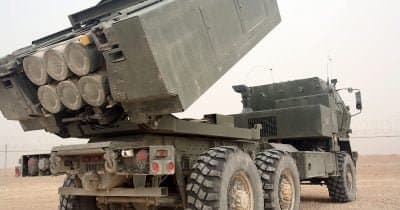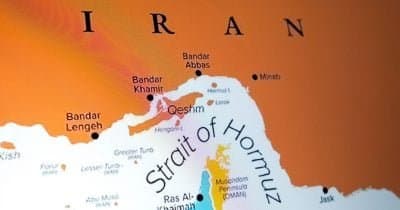
The recent U.S. military strikes against Iranian missile systems and IRGC vessels in the Strait of Hormuz signify a notable escalation in U.S. military involvement in the region. This operation, which targeted over 80 Iranian assets, was a direct response to Iranian provocations against commercial tankers that violated a temporary ceasefire. The implications of this action are multifaceted and potentially far-reaching for both regional stability and global markets.
By increasing military pressure on Iran, the U.S. aims to disrupt its operational capabilities, particularly in the context of safeguarding vital shipping lanes. Market responses to these developments have begun to reflect a decreased likelihood of successful Iranian attacks on international shipping, indicating that traders are recalibrating their assessments of risk in the area. Such a shift in sentiment is crucial; it suggests that U.S. intervention may improve the security of maritime routes that are essential for global oil supply and trade.
As analysts examine this evolving situation, attention turns to the Iranian response and any subsequent military actions from the IRGC. The potential for further aggression could significantly alter market pricing associated with shipping disruptions, impacting oil prices and broader economic indicators. Furthermore, the U.S. Department of Defense's future operations will be pivotal in shaping Iran's military strategy and its willingness to engage in further provocations. The market will likely remain on high alert for any signs of escalation or de-escalation.
Moreover, developments in diplomatic negotiations or potential ceasefire arrangements could drastically affect market dynamics. A return to talks could ease tensions, while continued conflict might tighten oil supplies and spike prices, a scenario that traders are acutely aware of. This interplay of military and diplomatic efforts thus holds significant sway over market stability.
In conclusion, the U.S. military's decisive action underscores the ongoing geopolitical tensions in the region and their implications for global trade. As the situation unfolds, stakeholders across various markets, from commodities to cryptocurrencies, should remain vigilant to the signals emanating from this strategically vital area.
This material is informational and should not be considered financial advice.