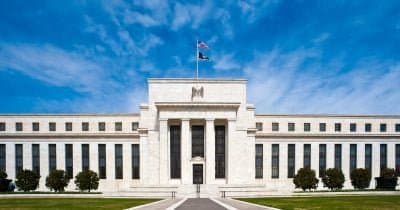
The latest survey conducted by the Wall Street Journal reveals a significant shift in economic forecasts, indicating that inflation rates are projected to remain elevated, and the Federal Reserve is unlikely to implement rate cuts before 2026. With inflation expected to average 3.6% by year-end, this outlook alters previous assumptions about monetary policy adjustments.
Rising consumer prices, particularly influenced by energy price shocks due to geopolitical tensions and ongoing shelter costs, have compelled economists to revise their predictions. Newly appointed Federal Reserve Chair Kevin Warsh has taken a careful approach, emphasizing the necessity of tackling inflation that continues to exceed the Fed's target of 2%.
Market Implications of Inflation Projections
The implications of this survey are profound for market participants. The consistent expectation of a steady federal funds rate through 2026 means that borrowing costs will likely remain unchanged, which could have ripple effects across various sectors, including real estate and consumer spending. The absence of anticipated rate cuts signals to investors and businesses that they may need to adjust their strategies accordingly.
Market pricing now reflects a reduced likelihood of rate cuts, aligning with the survey findings. This sentiment is crucial as investors prepare for the upcoming Federal Open Market Committee (FOMC) meetings, where any shifts in interest rate policy will be closely scrutinized. The stability in interest rates may support continued investor confidence in equities but could lead to cautious behavior in sectors sensitive to interest rate fluctuations.
Future Monitoring and Economic Indicators
As the economy navigates this challenging inflationary environment, market participants will be keenly observing the statements from Chair Warsh for any potential changes in the Fed's policy stance. Key economic indicators, including future inflation reports and geopolitical developments, will play a pivotal role in shaping the Fed's decisions.
The interactions between inflation, interest rates, and investor behavior highlight the delicate balance the Federal Reserve must maintain. For instance, in the context of ongoing inflation, the Fed's cautious stance may be viewed favorably by some, as it aims to stabilize the economy. However, the longer inflation remains above target, the more difficult it may become to implement effective monetary policy without triggering adverse market reactions.
This material is informational and not financial advice.