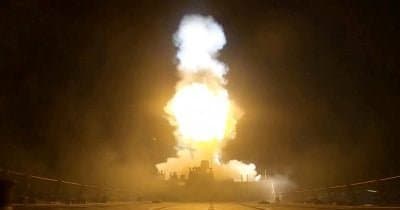
Recent explosions in Iran and Kuwait have amplified the already heightened tensions between the United States and Tehran, casting a shadow over the Strait of Hormuz, a crucial artery for global oil trade. The explosive incidents reportedly occurred near fuel storage facilities at Kuwait International Airport and in the Iranian city of Bushehr, signaling a potentially dangerous shift in military dynamics.
Context of the Current Crisis
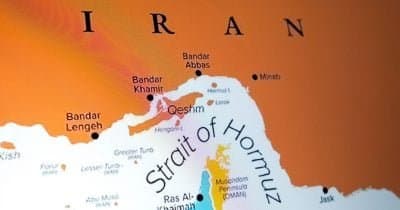
The explosions coincided with both Washington and Tehran claiming control over the strategic Strait of Hormuz. This region is vital, as it facilitates the transportation of approximately 20% of the world's oil. The fragility of the ceasefire that had previously existed is evident, and these recent events underline a more aggressive posture that could further complicate diplomatic relations.
Market Reactions and Implications
Market participants are already adjusting to the realities of this strained relationship, as evidenced by a decline in the likelihood of a US-Iran deal, particularly concerning reconstruction funding. The probability of such funding has dropped to 32.5%, down from 34% the day before. This shift indicates that investors are bracing for an extended period of instability, which could lead to higher oil prices and volatility in energy markets. Military readiness in the region continues to play a pivotal role in influencing market sentiments.
Future Outlook and Monitoring Key Developments
Attention must now turn to any official statements from both governments regarding military actions or possible diplomatic overtures. An increase in military operations could further diminish the chances of a diplomatic resolution, while any hints at renewed negotiations may help stabilize market expectations. Additionally, involvement from regional players such as Israel or Gulf States could either exacerbate the situation or offer pathways to easing tensions.
This content is for informational purposes only and should not be considered financial advice.