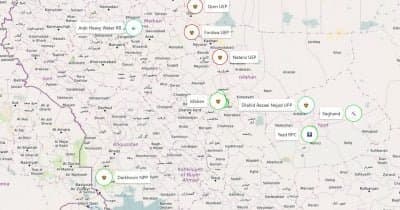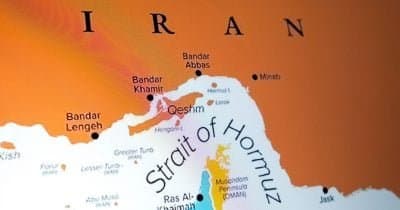
The recent attacks in Kuwait, targeting three border posts and an offshore drilling rig, illuminate the increasing risks to Middle Eastern energy infrastructure. Such incidents have historically caused significant disruptions across global energy markets and have ramifications for the volatile crypto landscape as well.
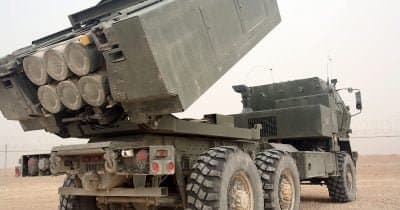
Kuwait's Defense Ministry confirmed that these strikes resulted in structural damage and left one worker injured. The attacks align with the ongoing conflict in the region, particularly the 2026 Iran conflict, where drone strikes from Iraqi territory are becoming more frequent. Such hostilities are not just localized; they reverberate across international markets.
For instance, the Mina Al-Ahmadi oil refinery, one of Kuwait's largest with a processing capacity of around 730,000 barrels per day, is situated within this precarious environment. The broader Gulf region, comprising Saudi Arabia, Bahrain, the UAE, and Qatar, has condemned these assaults as direct threats to Kuwait's sovereignty, indicating that geopolitical tensions are rising rapidly.
Between July 9 and July 12, sirens in Kuwait City were activated as air defenses attempted to intercept further drone threats, demonstrating the escalating nature of the conflict and its potential to disrupt not only oil production but also energy supply chains.
Furthermore, it is crucial to note that Kuwait had already imposed a ban on crypto mining in 2022, citing the strain it placed on the national power grid. The combination of regional instability and energy infrastructure threats could further dissuade investment in both traditional energy sectors and emerging crypto markets, as investors typically seek stability.
The fallout from these attacks could lead to a decrease in oil supply, driving prices up and subsequently affecting the crypto markets due to the intertwined nature of energy and digital asset mining. Thus, the implications are far-reaching for global markets as investors will need to navigate this increasingly complex landscape.
This article is for informational purposes only and does not constitute financial advice.