Circle's recent achievement of obtaining final approval from the Office of the Comptroller of the Currency (OCC) to establish a national trust bank, named Circle National Trust, marks a pivotal moment for the cryptocurrency landscape. This approval not only enables Circle to bring its USDC stablecoin under federal oversight but also sets a precedent that could enhance institutional confidence in digital currencies at large.
The establishment of a federally regulated bank could significantly alter the perception of USDC among institutional investors. By operating under the watchful eye of federal regulators, Circle is positioned to address concerns regarding transparency and stability that have historically surrounded cryptocurrencies. This move could lead to increased demand for Bitcoin and other digital assets as institutions seek a more regulated environment for their investments. The potential impact on Bitcoin's market dynamics is noteworthy, especially given the current climate of fluctuating investor sentiment.
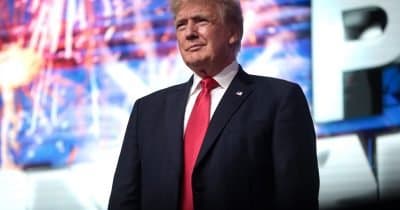
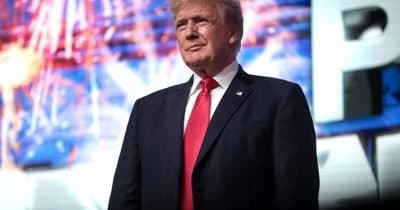
In the broader context, this development comes alongside Senate Democrats calling for hearings on former President Donald Trump's substantial earnings from cryptocurrency, reflecting an increasing scrutiny of digital assets in political discussions. Moreover, a new law has been enacted that temporarily bans the Federal Reserve from issuing a central bank digital currency (CBDC), leaving private stablecoins like USDC unaffected. This regulatory complexity indicates a cautious yet evolving stance towards digital currencies in the U.S., which could shape future policies and market behaviors.
Additionally, the recent patching of a bug in Ethereum's gossipsub protocol demonstrates the ongoing efforts within the blockchain community to maintain security and stability. The proactive measures taken to address such vulnerabilities underscore the importance of technical diligence in fostering confidence among users and investors alike. As the crypto market continues to mature, the implications of these technical advancements could further influence investments and regulatory approaches.
As stakeholders monitor the ramifications of Circle’s new federal status, the focus will likely remain on how this development influences institutional interest in cryptocurrencies and the potential shifts in regulatory frameworks. The intersection of regulatory developments and technical stability will undoubtedly play a crucial role in shaping the future landscape of digital assets.
This material is informational and should not be considered financial advice.