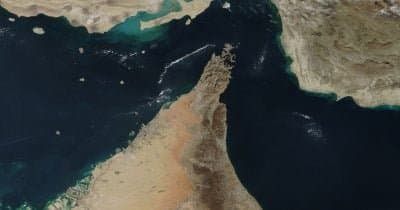
A new Hormuz agreement requires ships to coordinate with Iran even when operating on the Omani side of the strait, according to reporting on August 5. The mandate signals tangible progress in broader US-Iran negotiations over maritime traffic through this critical chokepoint.
Prediction markets are already pricing in the shift. Odds for a US-Iran deal by August 15 jumped to 60.5% from 46% in a single day. The August 31 deadline shows even stronger conviction, with YES odds climbing to 72.5% from 54%. That 18-point swing in less than 24 hours suggests traders view the coordination requirement as concrete diplomatic movement, not posturing.
The requirement itself matters. Having vessels coordinate with Iran on Oman's side of the waterway reduces the friction that has historically triggered standoffs. Ships won't be caught in gray zones about jurisdiction or intent. That clarity, traders believe, makes a formal agreement more likely before the deadlines. Key figures like Trump and Iran's Foreign Minister Abbas Araghchi will determine whether this coordination framework becomes permanent.
Watch for joint statements or confirmation of eased shipping restrictions in the coming days. Either would confirm the market's read. Conversely, fresh reports of stalled talks or regional threats would reverse the recent gains just as quickly.
This material is informational and does not constitute financial or investment advice. Market predictions reflect collective speculation, not certainty.