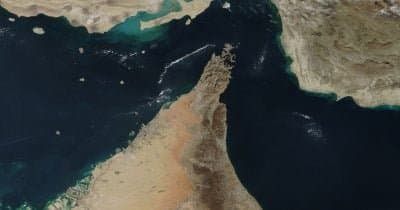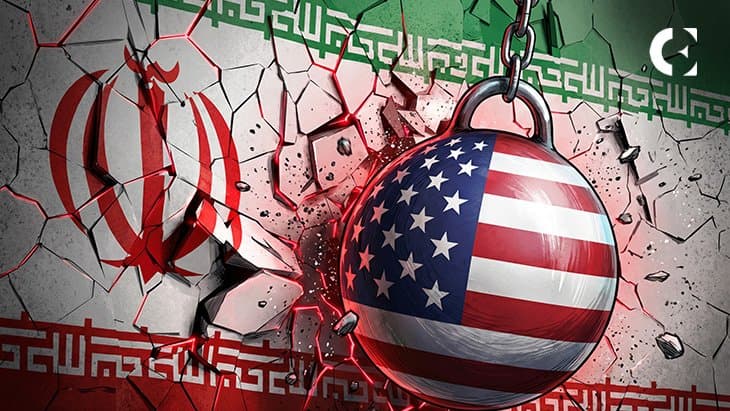
US Treasury Secretary Scott Bessent dropped a bombshell on CNBC August 4, floating the possibility that Washington and Tehran could hammer out a deal to reopen the Strait of Hormuz as soon as Tuesday or Wednesday. The world's most critical oil chokepoint has been a flashpoint for weeks. If the shipping lane actually reopens, crude prices could take a sharp hit.
The catch: nothing is signed yet. Bessent himself acknowledged negotiations remain fluid and subject to collapse at any moment. Markets are already pricing in the possibility, though oil traders seem skeptical it'll happen on the timeline he mentioned. Still, the mere suggestion from a top Treasury official carries weight.
What moves if a deal closes
Energy traders have been on edge watching this standoff. A functioning Strait of Hormuz means lower transportation costs for crude, which typically pushes prices down. That ripples through crypto markets too, since oil volatility often correlates with broader macro sentiment and risk appetite. When energy costs drop, investors sometimes rotate back into riskier assets like Bitcoin and Ethereum.
The real question is whether Bessent's timeline holds. Geopolitical negotiations rarely follow the calendar. Even if talks stall, the fact that a Treasury Secretary is publicly discussing imminent breakthroughs suggests both sides have moved closer to common ground than headlines suggest.
This article is for informational purposes only and should not be construed as investment advice or financial guidance.