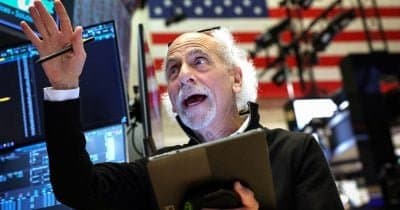
Michael Burry is convinced something breaks. The legendary short seller who bet against the housing market before 2008 just warned that the stock market faces a "1987-type fall." This time the bet sits on overvalued tech stocks riding an AI wave with no real earnings to show for the climb.
Back in October 1987, Black Monday happened. The S&P 500 tanked 30% in a single day. Took two years to recover. Burry sees the same setup brewing now. Nvidia trades at nosebleed valuations. Palantir fills urgent compliance needs. Caterpillar machines fly off shelves. Yet underneath the boom, he spots something hollow.
On X this week, Burry described it plainly: gold in those hills, sure, but ghost towns waiting in the wreckage. The quote came after tech delivered blockbuster earnings in late July and early August, crushing forecasts across the board. Strong growth numbers. Beat expectations everywhere. Exactly the kind of moment when people stop asking hard questions.
The dollar gets weaker, central banks choose gold instead
What worries Burry extends beyond just stock prices. Central banks worldwide just started buying gold, not US bonds. They're hedging the dollar. That same loss of confidence in the greenback fueled the 1987 crash. Now it's happening again, and nobody's talking about it.
The math looks simple on paper. Company valuations jumped fast. Artificial intelligence spending exploded. But where's the return? Where's the profit from all those AI investments? Plenty of companies burning money on expensive chips waiting for the payoff that may never come.
Burry isn't alone in this view. Other bears are watching the same tech sector with suspicion. His short positions get the attention, sure, but the skepticism spreads wider. When the most successful contrarian trader of his generation points at the same risk you've been watching, it lands different.
This is informational content only, not investment advice. Markets move unpredictably and losses on any position can be substantial.