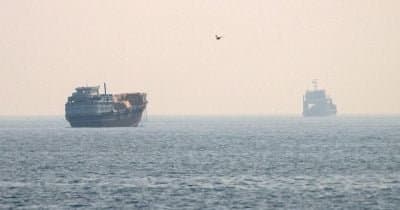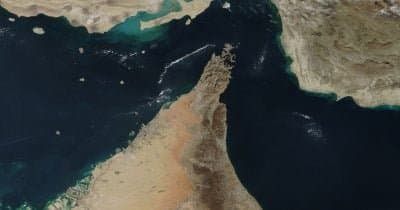
Tehran flatly rejected Washington's proposal to open a southern corridor in the Strait of Hormuz, according to Iranian lawmaker Hassan Ghashghavi. The move signals that the 2026 shipping crisis gripping the world's most critical oil chokepoint shows no signs of easing, with Iran unwilling to cede control over navigation routes that cross its territorial waters.
The standoff matters because roughly 20% of global crude oil passes through Hormuz daily. A US-backed plan, developed jointly with Oman, aimed to create an alternative shipping lane closer to Oman's coast, bypassing Iranian-controlled zones. Iran sees this as a direct challenge to its sovereignty and has made clear it will not authorize any routes it doesn't control.
What Iran's rejection actually changes
The dispute keeps shipping costs elevated and forces tankers to navigate in contested waters. Prediction markets reflect the tension. Odds that traffic normalizes by August 31 now stand at 16.5%, up from 10% a week prior. That modest uptick likely stems from any diplomatic whispers, not from a genuine thaw. The data suggests traders still view a swift resolution as a long shot.
What happens next depends entirely on whether Washington and Tehran find middle ground. Observers need to watch for military posturing near the strait, any new policy statements from Iran's leadership, and whether the US escalates pressure through other channels. Recent shifts in US strategy toward Iran add another layer of uncertainty to how this maritime dispute unfolds.
Vessel tracking data and any UN-backed negotiations could provide early signals of whether the corridor proposal gets revived or dies altogether. For now, the corridor is dead, and shipping remains in limbo.