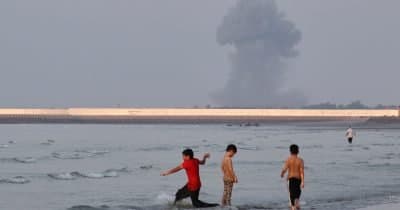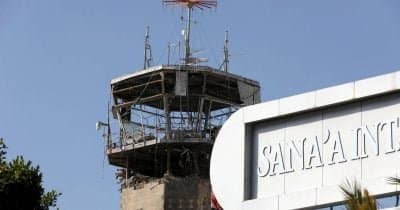
The recent strike on the Sanaa airport runway by Yemeni forces represents a worrying escalation in the already fraught regional dynamics between Iran-backed Houthi rebels and the Saudi-led coalition. This military action, aimed at thwarting an Iranian plane allegedly carrying stranded Yemenis and patients, signals a further unraveling of the fragile ceasefire that has held since 2022.
The Yemeni Defense Ministry's decision to bomb the runway underscores the intensifying hostilities amid a backdrop of escalating tensions. The Houthis have simultaneously claimed to have confronted Saudi warplanes with air-defense missiles, marking a dangerous turn in the conflict. This duality of military action and counteraction suggests that any semblance of a peaceful resolution is increasingly tenuous, with both sides prepared to escalate their military engagements.
Regional Instability and Market Response
The implications of this incident extend beyond immediate military confrontations. Analysts are closely monitoring market trends, as the strike has led to increased speculation regarding the potential for an Iranian airspace closure. Given the heightened regional tensions, investors are recalibrating their expectations, with airspace security taking center stage in market analyses.
Market participants are interpreting the strike as a harbinger of impending conflict, which could lead to a ripple effect throughout various sectors. Increased airspace risks may deter commercial flights, impacting travel and trade in the region. This could also affect oil prices, considering the critical nature of air transport in the supply chain.
What’s Next? Monitoring Developments
In the wake of this escalation, stakeholders should remain vigilant. Key indicators to watch include statements from the Civil Aviation Organization of Iran and any official notices regarding airspace closures. Developments such as reports from Iranian state media about airspace shutdowns or press releases from the CAOI could provide crucial insights into the evolving situation.
Additionally, any signs of de-escalation from the United States or a return to normal flight operations, as observed through platforms like FlightRadar24, might influence market anticipations regarding a complete closure of Iranian airspace. Investors would do well to stay informed as this situation develops, as it holds significant consequences for regional security and economic stability.
This article is for informational purposes only and does not constitute financial advice.