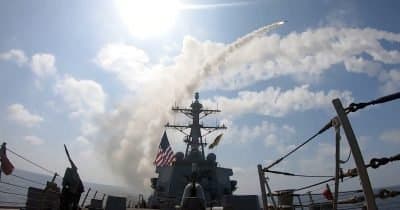
The recent U.S. military operation targeting Iranian missile, drone, and naval assets marks a significant escalation in the ongoing conflict surrounding Iran's actions in the region. Dubbed Operation Epic Fury, this operation involved around 90 strikes on military targets, including air defenses and fast-attack boats belonging to Iran's Islamic Revolutionary Guard Corps (IRGC). These actions come in response to Iran's violation of a fragile ceasefire agreement, further complicating an already tense geopolitical landscape.
The U.S. military's tactics are aimed at establishing a deterrent effect on Iranian military operations, particularly in the critical Strait of Hormuz, a vital route for global shipping. By deploying uncrewed drone boats for enhanced maritime surveillance, the U.S. seeks to counter asymmetric threats that have emerged from Iranian naval capabilities. The stakes are high: recent Iranian attacks on commercial vessels have already escalated tensions, leading to an environment of uncertainty in global markets.
Implications for Regional Stability
This military action may impact market perceptions of Iranian aggression, suggesting a reduced probability of immediate Iranian military action against Gulf states. Observers will be keeping a close watch on Iran's potential responses and any diplomatic endeavors from regional players like Qatar or Oman. Such interventions could significantly alter the probability of further conflict scenarios.
Moreover, developments in the Strait of Hormuz particularly any new incidents involving the IRGC will be critical indicators of how the geopolitical situation may evolve. The repercussions of this operation extend beyond immediate military implications; they could influence oil prices and global shipping dynamics, especially if tensions persist.
This article is for informational purposes only and should not be considered financial advice.