JPMorgan's analysts have issued a striking shift in their perspective regarding global oil supply risks. The bank now asserts that issues surrounding Russian refinery operations are more pressing than the longstanding concerns over the Strait of Hormuz. This marks a significant change in the narrative as the oil market grapples with the realities of geopolitical tensions and their tangible impacts.
JPMorgan's Analysis on Refinery Output
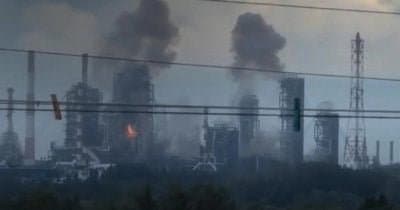
On July 10, JPMorgan highlighted that Russian refinery runs have plummeted to about 3.6 million barrels per day, nearly 40% less than pre-war levels. This decline is attributed to the ongoing drone strikes that have effectively targeted Russian refining operations since March 2026. While the Strait of Hormuz has been perceived as a critical choke point for oil exports, the current situation in Russia has introduced a more acute supply challenge.
This severe reduction in refining capacity has profound implications. Historically, Russia has been a major exporter of refined oil products, including diesel and fuel oil, to various markets. The loss of such a substantial output not only strains crude oil prices but also causes bottlenecks in the supply chain, resulting in elevated prices for diesel, jet fuel, and other refined products.
Market Reactions and Implications
The timing of these refinery disruptions complicates the strategies of OPEC+, which has been managing oil production cuts to stabilize prices. Increased crude output to offset lost refined products may become a dilemma for the cartel, especially if refined product prices continue to rise due to constrained supply.
JPMorgan's previous warning of a potential spike in oil prices to between $120 and $150 per barrel, linked to Hormuz tensions, is now overshadowed by the ongoing crisis in Russian refining. The widening crack spreads an indicator of the difference between crude and refined product prices signal increasing pressures on refining margins as demand outstrips supply capabilities.
Prolonged issues in Russian refining could lead to persistent upward trends in refined product costs, creating a ripple effect across global markets. While drone strike repairs may provide temporary relief, the cumulative damage from sustained attacks could necessitate years and significant investment to restore full operational capacity, particularly under Western sanctions.
This article is for informational purposes only and should not be considered financial advice.