The recent sanctions imposed by the United States on a network tied to Iran's Islamic Revolutionary Guard Corps (IRGC) come amidst escalating tensions in the Strait of Hormuz, a vital chokepoint for global oil shipments. This strategic maneuver, targeting entities in Iran, Italy, and Russia for allegedly procuring weapons and drone components, shows deepening hostilities that complicate international diplomatic relations and market stability.
As these sanctions take effect, market participants are becoming increasingly skeptical about the prospects of a finalized US-Iran nuclear deal. The likelihood of an agreement appears diminished, with market reactions pointing to a notable decline in expectations compared to recent weeks. Investors are likely assessing the geopolitical landscape that increasingly favors confrontation over collaboration, and the sanctions have given rise to concerns regarding the stability of oil supply routes.
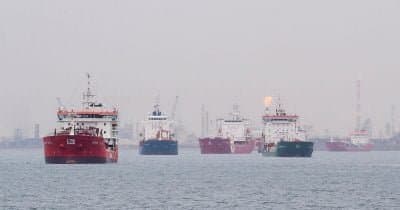
The ongoing conflict involving the US, Israel, and Iran has already seen military escalations and a naval blockade reinstated earlier this year. Recent events could signal a significant shift in the balance of power in the region, with Iran potentially intensifying its assertiveness in response to increased pressure. Therefore, movements in the Strait of Hormuz, where maritime traffic is already under threat, will be critical indicators of future geopolitical dynamics. Any disruptions in this area could have ripple effects on global oil prices.
Looking forward, statements from key figures like Iran's Supreme Leader Ayatollah Ali Khamenei or US President Donald J. Trump will be crucial. Their rhetoric regarding resumed negotiations could either bolster or dismantle the already fragile expectations of a diplomatic resolution. Investors must remain alert to these developments, as they will likely influence market behaviors and pricing strategies.
This article is for informational purposes only and does not constitute financial advice.