The current annual food inflation rate in the US stands at 3%, a figure that seems promising against the backdrop of soaring prices in previous years. However, emerging factors could disrupt this stability, potentially driving costs higher at the supermarket checkout.
Geopolitical Factors at Play
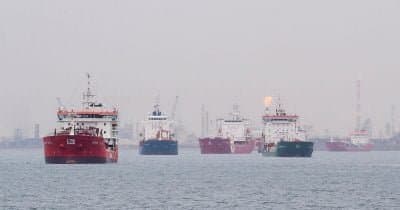
Recent events have significantly impacted the global oil supply chain, particularly the blockade of the Strait of Hormuz, a critical passage for oil shipments. This blockade has not only affected oil prices but also led to a surge in fertilizer costs a major input in agricultural production. When fertilizer prices rise, farmers face increased operating costs, which they often pass on to consumers. This ripple effect can lead to a scenario where food prices may rise again, countering the current downtrend in food inflation.
Weather Warnings and Agricultural Production
The anticipated “super El Niño” event presents another layer of complexity. Historical data indicates that such weather phenomena can severely disrupt crop yields due to extreme weather conditions. As agricultural outputs fluctuate, food availability may dwindle, further straining supply chains. Market observers are already bracing for potential supply shortages in key commodities, exacerbating fears that supermarket prices could spike.
Overall, the confluence of geopolitical tensions and extreme weather patterns highlights the fragility of food pricing in the US. With the possibility of both fertilizer costs and crop yields being impacted, consumers and market participants alike should remain vigilant. Keeping an eye on developments in the Strait of Hormuz and monitoring weather forecasts will be essential in understanding the future trajectory of food prices.
This material is for informational purposes only and does not constitute financial advice.