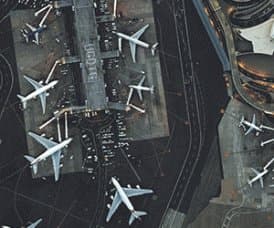
As tensions escalate, a representative from the US-Israel coalition stated, “These strikes are crucial in crippling Iran’s military infrastructure, especially in sensitive regions like Khandab and Semnan airport.” The latest military actions shows a strategic approach aimed at Iran’s nuclear and missile capabilities. While no casualties have been reported, the implications for regional stability are profound.
The strikes mark a return to aggression following the collapse of a brief ceasefire in June. Analysts are closely monitoring the situation, as this pattern of targeting vital Iranian infrastructure suggests a broader campaign to weaken Tehran. Consequently, market observers are beginning to price in a heightened perception of instability within the Iranian regime, with an 8.5% chance assigned to its potential fall before 2027. Such probabilities often influence investor sentiment and can lead to fluctuating asset values in related sectors.
Moreover, disruptions in airspace are becoming a significant consideration, with current market forecasts indicating a 34% likelihood of a complete closure by the end of July. This aspect could hamper trade and exacerbate existing economic strains, affecting everything from oil prices to supply chain logistics.
Going forward, the market will be attuned to further military developments and potential shifts in strategy from coalition forces. Additionally, any signs of political unrest or key defections within Iran's military could further destabilize the regime. Stakeholders are keenly awaiting updates regarding ceasefire discussions or military strategies from either Iranian or US officials, as these announcements could dramatically alter market perceptions. This material is informational and not financial advice.