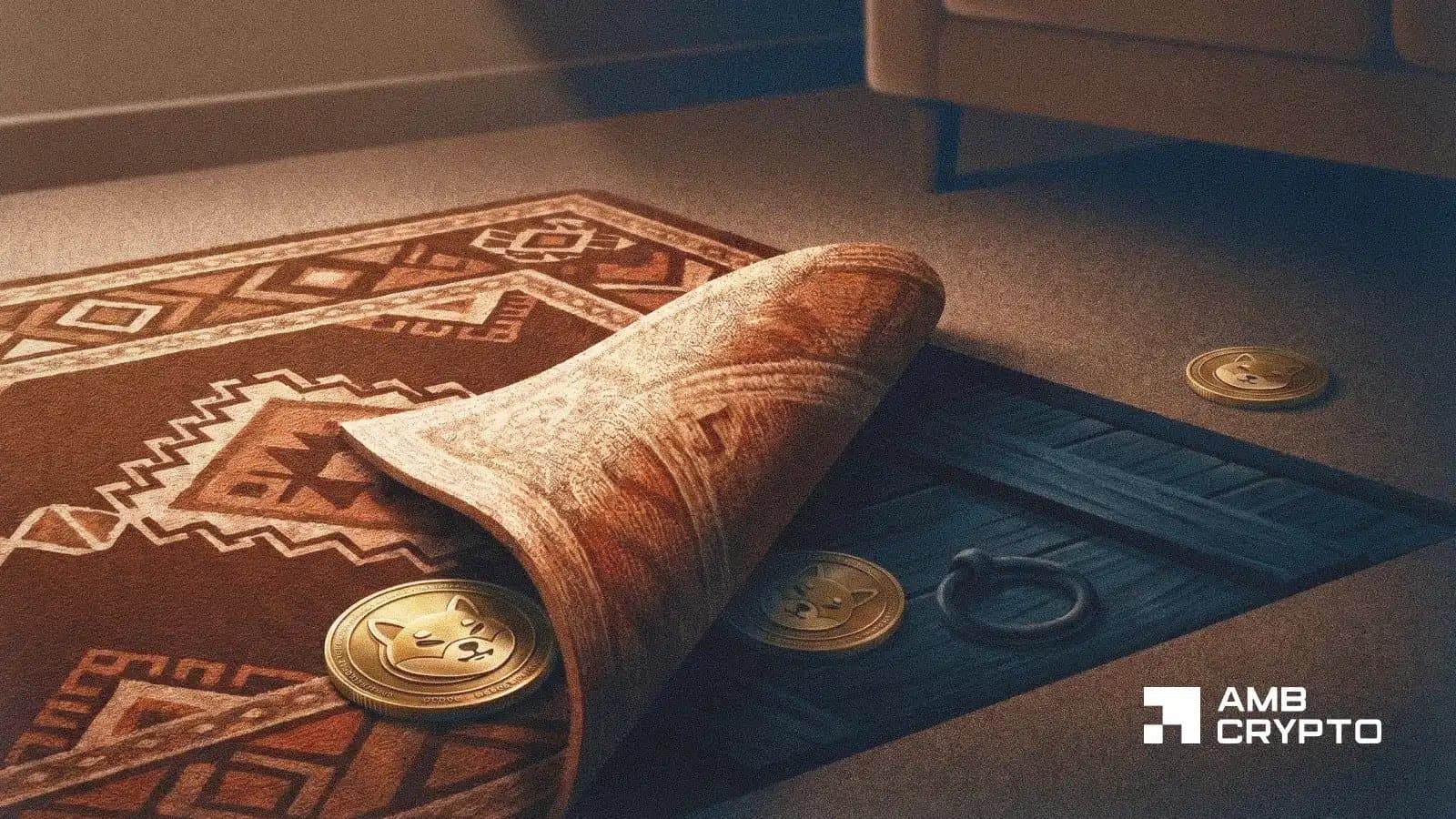
Spotting a rug pull requires reading between the lines of seemingly thriving projects. A new token may boast thousands of holders, rising prices, and an active community, but the facade quickly crumbles when liquidity vanishes without warning. This abrupt disappearance marks the start of a rug pull, a type of scam that exploits investor trust on multiple levels.
Developers do not rush to drain liquidity immediately. Instead, they build credibility by locking liquidity and renouncing contracts, creating an illusion of security. Next, they engineer hype through coordinated social media campaigns and community engagement, fueling a surge in fresh capital. This rapid escalation, typically unfolding within 48 to 72 hours, deepens investor confidence, making the eventual exit both impactful and devastating.
Common Indicators Behind Rug Pulls
Not all tokens with broad holder bases are truly decentralized. Often a handful of developer wallets maintain disproportionate control, sometimes holding over 30% of the supply. This concentration increases manipulation risk, especially when developer allocations lack meaningful vesting schedules or liquidity locks expire shortly after launch.
Contract features significantly influence risk levels. Hidden mint functions, retained ownership rights, upgradeable proxies, and adjustable sell restrictions can give developers ongoing control post-deployment, undermining investor protections. Market signals often corroborate these risks through rapid price spikes driven by influencers, low organic trading volume, and a slowdown in new holder growth preceding major wallet dumps and liquidity withdrawals.
Two notorious cases illustrate these patterns. SQUID and LIBRA tokens, despite differing stories, shared the same trajectory of hype followed by collapse. The convergence of on-chain data, contract architecture, and behavioral market indicators provides a more reliable rug pull detection method than relying on any single metric.
In contrast, projects that implement transparent vesting, verified smart contract code, and undergo third-party audits significantly reduce manipulation potential. These measures improve decentralization and make fraudulent exit strategies more difficult to execute.
This material is informational and does not constitute financial advice.