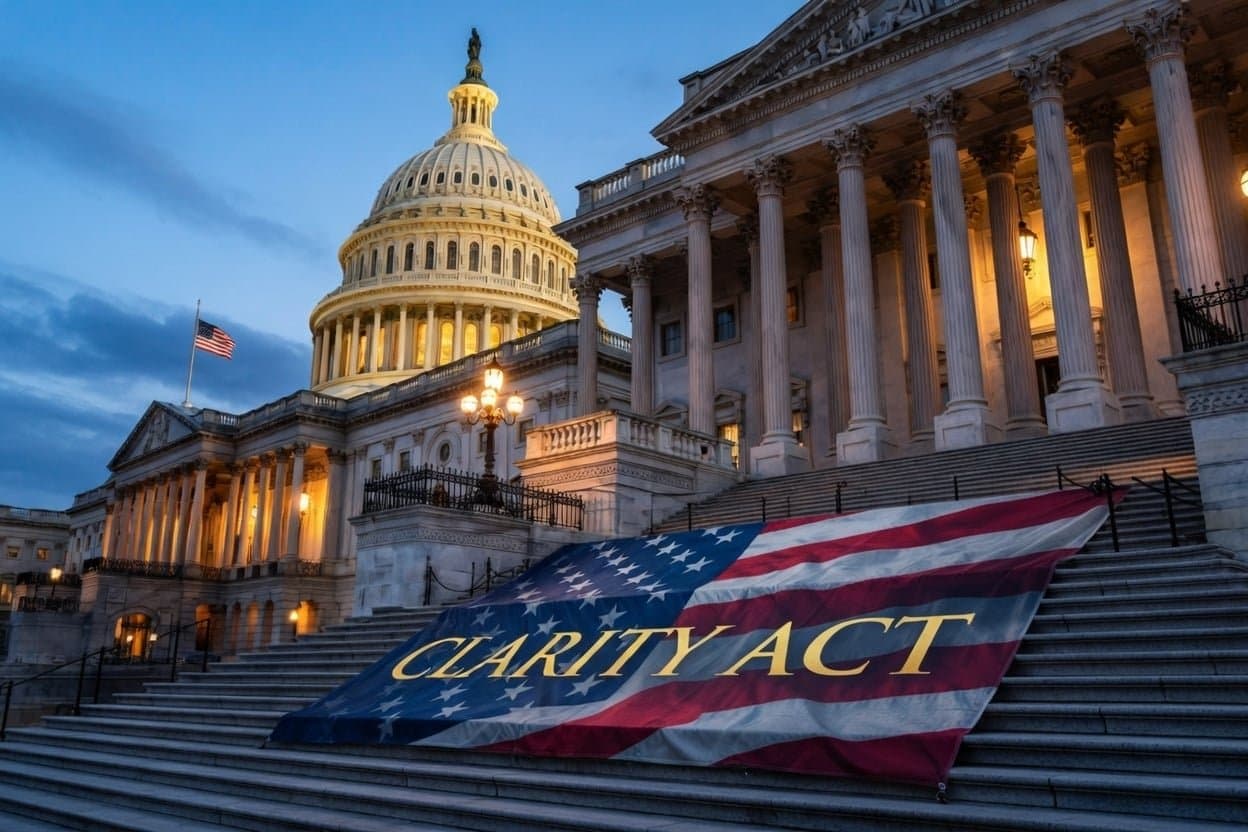
The recent agreement by Donald Trump on an ethics package tied to the CLARITY Act removes a significant obstacle blocking the Senate vote on this critical crypto market structure legislation. This development could accelerate regulatory clarity in the U.S. crypto sphere, addressing longstanding concerns about federal officials profiting from digital assets while in office.
Ethics Language as a Key to Legislative Progress
Negotiations around the CLARITY Act had seemed stalled amid uncertainty over Trump’s stance on ethics provisions limiting crypto gains by federal officials. The breakthrough came after Trump met with Senators Cynthia Lummis and Bernie Moreno, alongside White House crypto adviser Patrick Witt. Reports now confirm the White House agreed to an ethics package, which has been circulated among certain Senate Republicans, although specific terms remain undisclosed.
This ethics provision is particularly consequential given Trump and his family’s documented crypto interests, including holdings in memecoins and investments via World Liberty Financial. Recent financial disclosures revealed substantial sums linked to WLF, intensifying calls for stricter safeguards to prevent conflicts of interest while officials hold office.
Implications for Senate Timeline and Crypto Regulation
The CLARITY Act proposes the first full federal framework defining the regulatory responsibilities of the SEC and CFTC over digital assets. Lawmakers from both parties have debated whether presidents, vice presidents, and members of Congress should be barred from profiting from crypto during their tenure. Democratic support hinges on strong ethics language, with Senator Ruben Gallego warning that without it, the bill will fail to secure necessary votes.
The Senate faces a tight deadline in early August to pass the bill before the legislative calendar potentially delays the process. If passed, the bill will return to the House prior to reaching Trump’s desk, leaving a narrow window to reconcile outstanding issues and consolidate bipartisan backing.
Meanwhile, Patrick Witt’s continued involvement, enabled by a deferment of his Georgia Army National Guard training, ensures experienced guidance remains as the CLARITY Act approaches completion.
This material is informational and not financial advice.