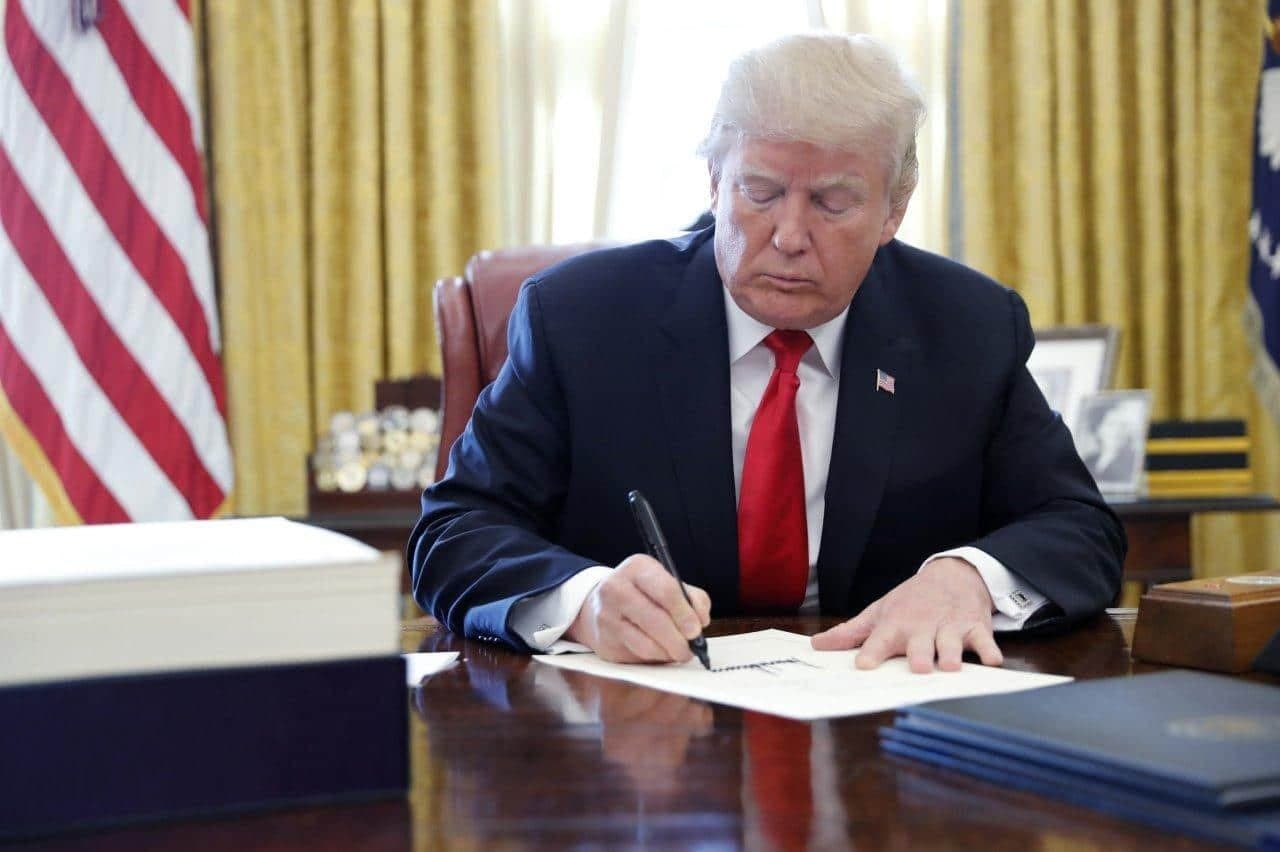
The United States decided to impose a sharp 50% tariff on a range of Canadian products, a move that breaks from precedent by targeting goods protected under the USMCA trade agreement. This decision, signed by President Trump under a rarely invoked legal provision, signals a new chapter in US-Canada trade relations and raises questions about the durability of North American economic integration.
Scope and Significance of the Tariffs
The tariffs, set to take effect within 30 days, cover an extensive list of goods including automobiles, dairy, wine, cement, and even hockey sticks. This breadth is unusual because previous US tariffs often excluded USMCA-covered goods, but now the administration demonstrates a willingness to override prior trade agreements to address perceived unfair practices.
The Trump administration justifies these measures by accusing Canada of discriminatory policies against American products such as limiting US alcohol on Canadian shelves, restricting US vehicle exports, and providing the European Union with preferential dairy access. These claims highlight underlying tensions about market access and reciprocity that have long shadowed US-Canada trade.
Economic and Political Repercussions
Canada responded swiftly, with Prime Minister Mark Carney labeling the tariffs a violation of the USMCA and affirming Canada’s right to match US measures. Meanwhile, the Canadian Chamber of Commerce called the move a "regrettable escalation" but recognized the 30-day lead time as a chance to negotiate. The urgency of talks is increased by the fact that the USMCA renewal is pending following its recent lapse.
Energy products, potash, fish, and critical minerals are exempt from the tariffs, indicating a strategic choice to avoid disrupting sectors critical to broader supply chains and national security. However, the high 50% tariff on other goods could substantially impact Canadian exporters and American consumers, potentially raising prices for items like wine and cement while pressuring manufacturers and industries dependent on cross-border supply.
Wider Implications for Market Participants
This escalation introduces heightened uncertainty for markets reliant on smooth trade flows across North America. Auto manufacturers, already impacted by a roughly 22% decline in Canadian imports of US vehicles, face further complications. Investors and traders should monitor how these tariffs influence supply chains, pricing strategies, and bilateral negotiations.
also the move reflects broader geopolitical dynamics, as only Canada and China have retaliated against US tariffs imposed in 2025, spotlighting a trade confrontation that could reverberate through global markets. The window for talks before tariffs activate remains open, but no face-to-face meetings are currently scheduled, leaving the resolution timeline unclear.
This material is informational and not financial advice.