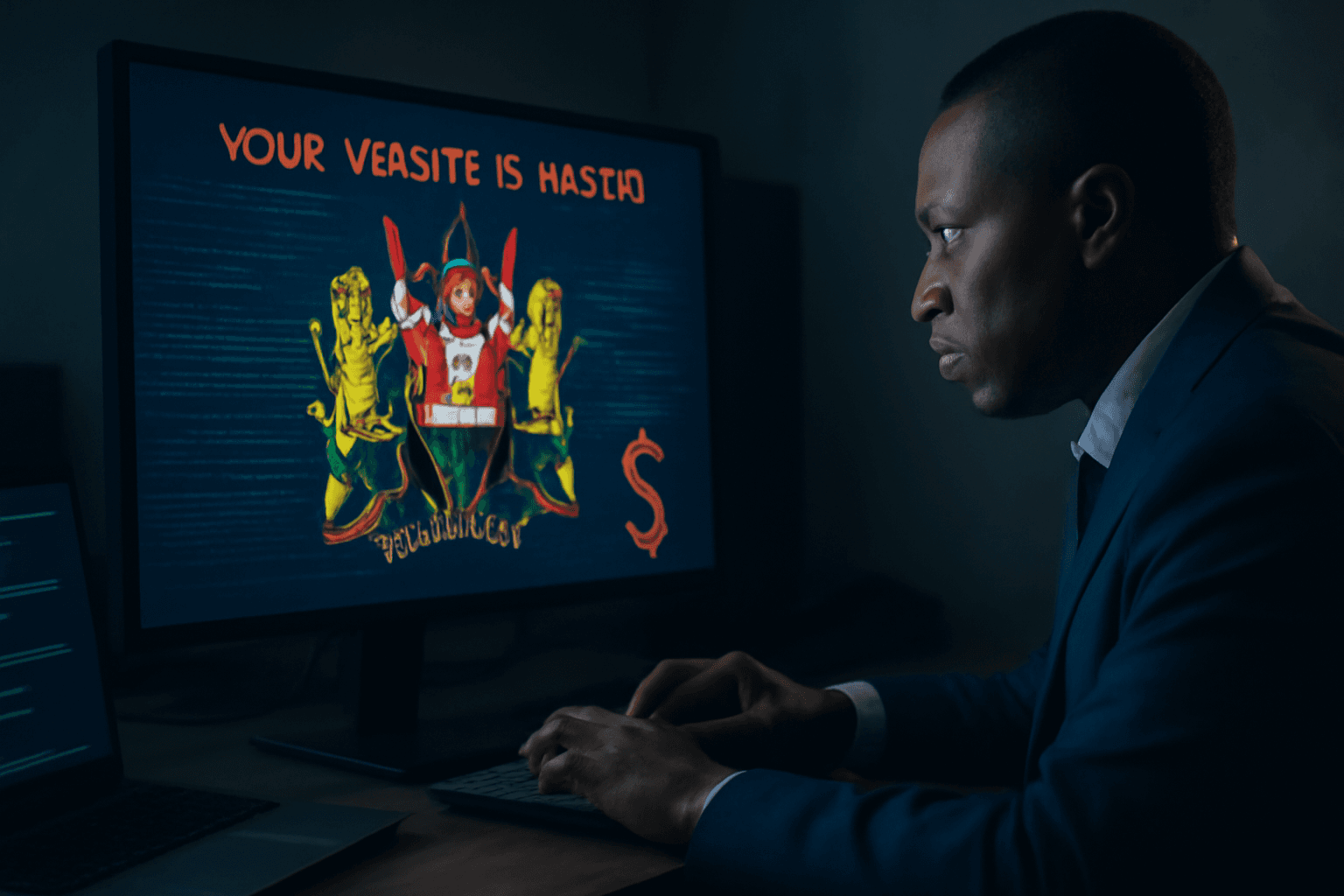
New Zealand has seen a sharp rise in sophisticated scams targeting cryptocurrency wallet owners, with losses already reaching millions, according to Detective Inspector Stuart Mills. Fraudsters impersonate police detectives and crypto company representatives, exploiting victims' trust and knowledge gaps about digital asset security.
The Mechanics Behind the Scam
The con begins with an unsolicited call where the scammer poses as a detective, claiming the victim's personal information was found on an arrested individual. This serves to establish credibility and identify crypto holders. A second caller, pretending to be from the victim’s crypto platform, then attempts to extract sensitive information such as passwords or seed phrases.
In some cases, victims are directed to counterfeit websites that closely mimic legitimate crypto applications, increasing the likelihood of data theft. This method highlights the growing sophistication of social engineering attacks in the crypto space, where scammers combine authority impersonation and technical deception.
Detective Mills emphasized that legitimate law enforcement never requests wallet credentials, PINs, or passwords over the phone. The scammers also spoof real police contact details, making it harder for victims to discern authenticity. The advice is clear: verify officer credentials independently and terminate suspicious calls immediately.
This scam reflects a broader global challenge, with similar phishing attacks recently reported in Queensland, Australia, causing over $1.47 million in losses. The cross-border nature of these frauds shows vulnerabilities in crypto user education and regulatory oversight.
The incident underlines a critical need for enhanced public awareness and stronger security protocols among crypto service providers. Users must be vigilant against unsolicited calls demanding urgent access or funds, as these are classic red flags.
This information is provided for awareness and not as financial advice.