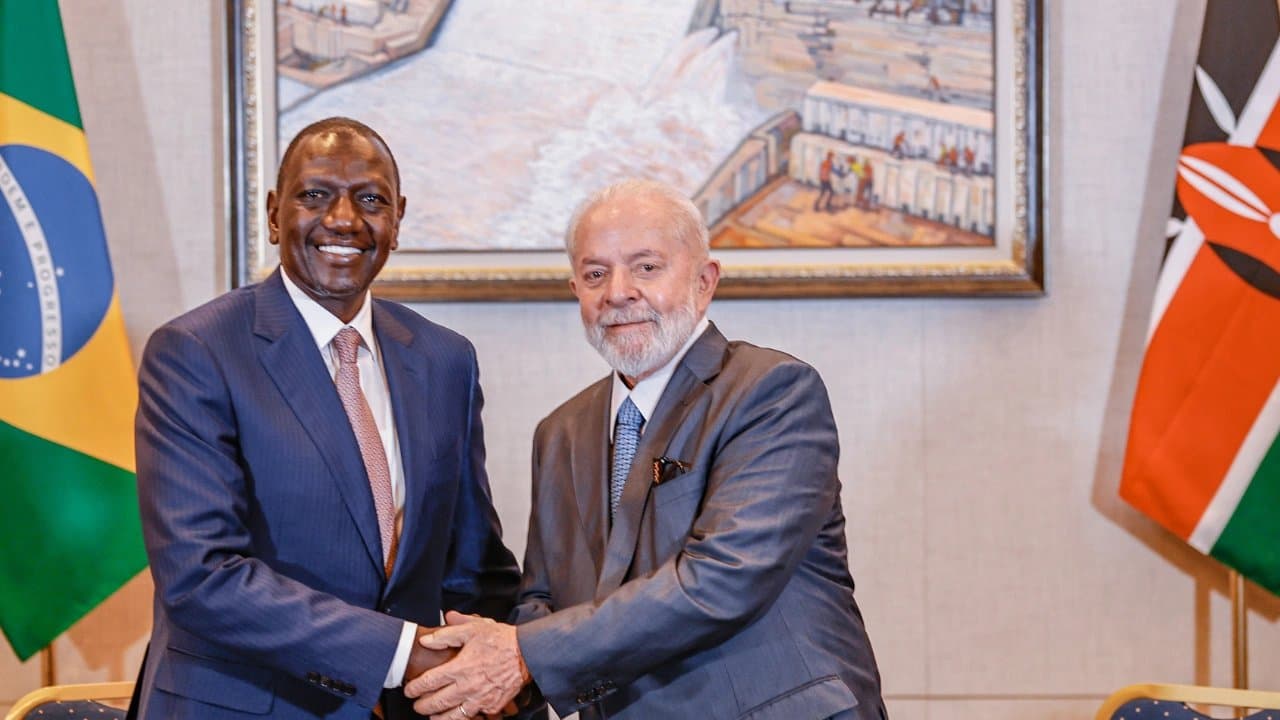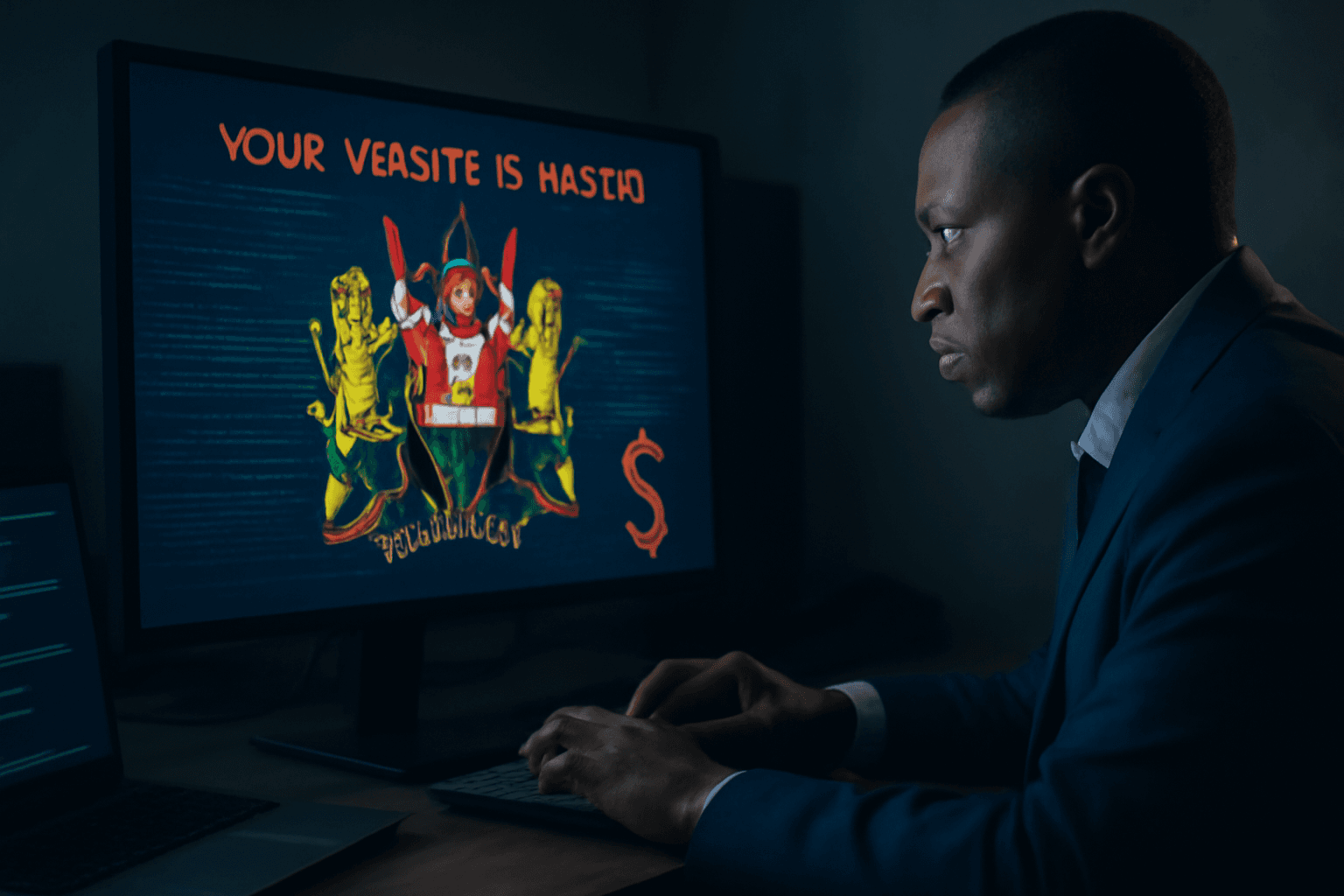
On July 18, cybercriminals seized control of Kenyan President William Ruto’s official website, replacing its homepage and demanding a ransom of 5 Bitcoin. This brazen attack exposed vulnerabilities in a high-profile government portal, igniting concerns over security in digital public services.
The Kenyan Ministry of Information confirmed the incident but emphasized that no sensitive data appeared compromised. The ICT Authority swiftly activated cybersecurity protocols, restricting public access to the site while forensic experts launched an investigation. Despite the disruption, other government systems reportedly remained secure and fully operational.
Attackers posted insulting messages targeting President Ruto and threatened to leak undisclosed information unless the demanded ransom was paid by Saturday evening. Yet, authorities withheld details about the hackers’ identities, methods of infiltration, or the nature of any stolen data. The absence of the attackers’ Bitcoin wallet further obscured the ransom’s transparency.
State House officials enlisted the National Computer and Cybercrime Coordination Committee and external specialists to uncover how defenses were bypassed and to restore the presidential portal. This breach follows a similar wave of cyberattacks in November 2025, which briefly disrupted several ministry websites and stoked fears about the resilience of Kenya’s digital infrastructure.
The incident shows the growing threat that cryptocurrency-enabled ransomware poses to nation-state digital assets, where hackers exploit blockchain’s pseudonymous nature for illicit profit. For governments and investors, it signals a pressing need to bolster cybersecurity frameworks, especially as public institutions increasingly digitize critical operations.
The ongoing forensic review will determine the extent of damage and inform strategies to prevent future attacks. Meanwhile, the political implications of such a public defacement could affect trust in government communication channels at a sensitive time.
This article provides information only and does not constitute financial advice.