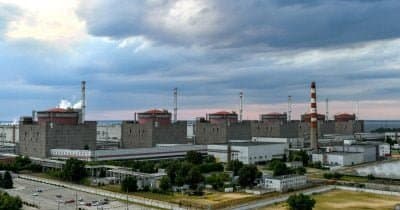
In a significant escalation of hostilities, Russian authorities reported that four individuals were killed in a Ukrainian drone attack on Enerhodar, a city currently under Russian control. This incident underscores the intensifying conflict between Ukraine and Russia, particularly as drone warfare emerges as a vital tactic for Ukraine, allowing it to strike deep into occupied territories. Enerhodar’s strategic importance cannot be overstated; it is the operational center for the Zaporizhzhia Nuclear Power Plant, which holds the title of Europe’s largest nuclear facility.
Context of the Conflict
The drone strike on Enerhodar is emblematic of Ukraine's evolving military strategy, characterized by the use of asymmetric warfare. As both nations ramp up their military operations, the ongoing conflict has reached a point where such targeted strikes are likely to become more frequent. The International Atomic Energy Agency (IAEA) has stated that prior incidents have not resulted in increased radiation levels at the nuclear plant, a crucial point that emphasizes the current attack’s specific focus on military targets rather than nuclear safety.
Potential Ramifications for the Region
This attack may signal a shift in Ukraine's approach to reclaiming occupied territories, including Crimea. The market reaction indicates a growing expectation that Ukraine might amplify its military efforts in the ongoing conflict. Observers should be vigilant regarding possible military responses from both sides, as these could significantly influence market dynamics and geopolitical stability. Key political figures, such as Ukrainian President Volodymyr Zelenskyy and Russian President Vladimir Putin, will play pivotal roles in shaping the future landscape of this conflict.
Furthermore, the situation demands close attention to diplomatic efforts or potential ceasefire agreements, which could also affect market perceptions. The Institute for the Study of War provides updates that could serve as vital indicators of any territorial changes, especially concerning the Crimean front. As the situation develops, investors and analysts alike will need to remain aware of the broader implications for regional and global stability.
This material is informational and not financial advice.