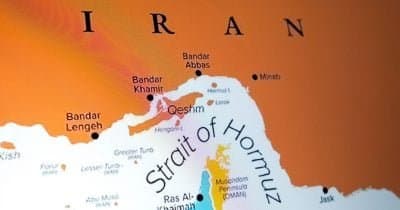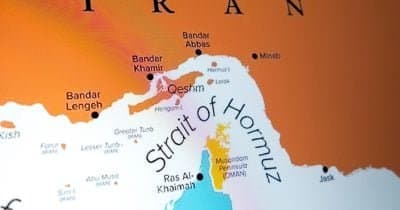
Recent statements from Iranian political leaders have reaffirmed the nation’s intent to maintain dominance over the strategically vital Strait of Hormuz. This waterway is crucial for global oil transportation, and Iran's assertiveness comes at a time of heightened tensions with the United States. The backdrop of these developments includes a ceasefire established in April 2026, following a brief but impactful war earlier in the year. As the situation unfolds, the implications for both regional stability and global markets are significant.
Despite the ceasefire, recent naval confrontations illustrate that tensions remain unresolved. A member of the Iranian Parliament's remarks have reportedly set market expectations on edge, causing an immediate reaction in pricing dynamics. According to market analysts, the probability of traffic normalization through the strait has dipped from 24% to 17.5% within a mere 24 hours, reflecting a shift in sentiment towards potential ongoing disruptions.
Market Reactions and Future Considerations
This pessimistic outlook among traders suggests that the perception of risk is increasing, as they anticipate prolonged instability in maritime operations. Should Iranian leadership make any further declarations, their tone and content will likely play a significant role in shaping market perceptions. Observers are advised to keep an eye on any announcements regarding peace negotiations or additional military actions, as either scenario could dramatically alter current pricing.
- Market analysts note a significant drop in expectations for normalization
- Ongoing military exercises could further influence global oil prices
- Observers should monitor Iranian official communications closely
In conclusion, the situation in the Strait of Hormuz remains fluid and precarious. As the potential for increased military engagement looms, investors should prepare for unpredictable shifts in oil prices and supply chain integrity that could reverberate across multiple market sectors, including cryptocurrencies.
This material is for informational purposes only and should not be considered financial advice.