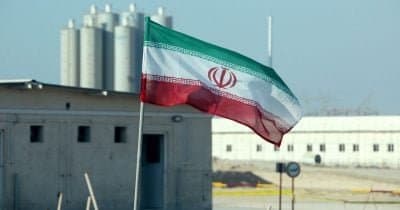
As tensions escalate, President Donald Trump's recent threats to target Iranian power plants have raised alarm among market analysts and geopolitical experts alike. The U.S. has resumed its naval blockade and intensified airstrikes against Iranian military sites, a clear indication that the fragile ceasefire established in June has collapsed, largely due to Iran's aggressive actions in the Strait of Hormuz.
The implications of these developments are profound. The U.S. blockade, reinstated on July 14, aims to choke off Iranian ports and coastal areas, severely impacting Iran's ability to engage in international trade. Market pricing suggests that the likelihood of the U.S. lifting this blockade by August 15 is diminishing, indicating a long-term commitment to military engagement over diplomacy. Analysts point out that Trump's threats to critical civilian infrastructure may escalate the conflict further, risking a humanitarian crisis that could provoke Iran to retaliate in unexpected ways.
Moreover, the current military posture could very well lead to a formal U.S. declaration of war against Iran by year-end. The heightened state of conflict signals a shift in U.S. strategy, moving from a defensive stance to a more aggressive approach aimed at crippling Iran's economic and military capabilities. Investors should remain vigilant, as any new developments such as statements from Trump or Congress regarding military action could significantly impact global markets, particularly in oil and defense sectors.
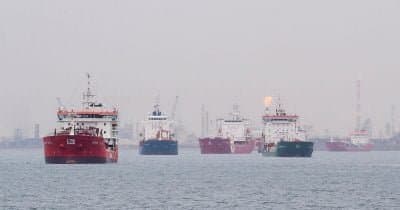
In light of these escalating tensions, watching the movements in the Strait of Hormuz will be critical. This vital shipping lane could become a flashpoint for further conflict, especially if commercial vessels continue to be attacked. As such, market players must prepare for volatility in response to any shifts in military strategy or Iranian provocations. The regional dynamics could also have broader implications for oil prices, reminiscent of past conflicts that have disrupted supply chains and sent shockwaves through global markets.
This material is for informational purposes only and does not constitute financial advice.