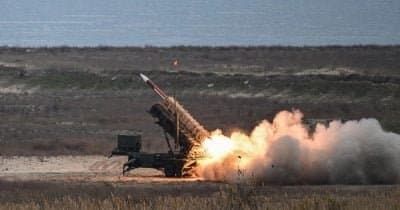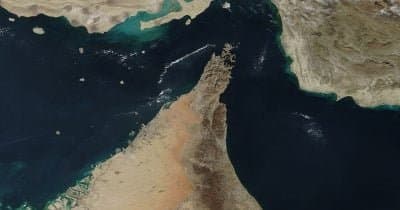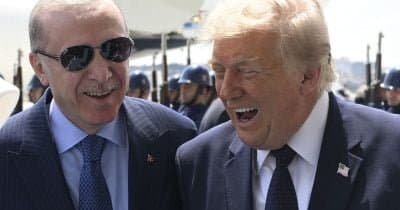
In a significant escalation of tensions in the Middle East, President Donald Trump has declared that the United States will take control of the Strait of Hormuz following a series of Iranian strikes on commercial vessels. This announcement not only highlights the deteriorating security situation but also marks a strategic pivot from defensive measures to a more aggressive military stance aimed at securing a critical artery for global oil transportation.
The Strait of Hormuz, which sees approximately 20% of the world's oil trade pass through, is now at a standstill due to the ongoing conflict. Reports indicate around 6,000 seafarers are currently stranded, with the threat level in the region elevated to “substantial.” Market analysts are already reacting, as the probability of normalizing traffic through the strait by the end of August stands at a mere 15.5%. This reflects deepening concerns within the energy sector regarding the stability of oil supply chains.
Trump's statements suggest an increase in military presence and foreshadow potential further escalations in hostilities. This shift in U.S. strategy could deter commercial shipping in the region for an extended period, leading to higher oil prices globally. Investors should brace for volatility as the situation unfolds, with implications reaching far beyond regional borders.
As observers await official communications from both Iran and the U.S. regarding potential peace negotiations, any developments in military operations or diplomatic efforts will be closely scrutinized. The status of vessel movements and live tracking updates will be critical indicators of whether the strait will reopen to commercial traffic or remain under blockade.
This material is informational and does not constitute financial advice.